Puppy Socialization Checklist: 100 Experiences Before 16 Weeks

Golden retriever puppy calmly taking a treat from a child on a park path — illustrating the puppy socialization checklist

A puppy socialization checklist is a planned list of calm, positive first experiences, such as new people, dogs, sounds, surfaces and handling, worked through before about 16 weeks of age, when puppies accept new things most easily. Go at your puppy’s pace, keep every exposure short and pleasant, and socialize safely before vaccines are complete

Puppy Socialization Checklist: 100 Experiences Before 16 Weeks Read More »


Rabies in Dogs: First Rabid Raccoon in 50 Years Puts Pet Owners on Alert

Close-up of a raccoon's face — LA County confirmed its first rabid raccoon in 50+ years, a warning for dog owners about rabies in dogs

Rabies in dogs is a viral brain infection spread through the saliva of an infected animal, usually through a bite, and it is almost always fatal once symptoms appear. Keeping your dog’s rabies vaccine current is the best protection. This week, Los Angeles County confirmed its first rabies-positive raccoon in more than 50 years. What

Rabies in Dogs: First Rabid Raccoon in 50 Years Puts Pet Owners on Alert Read More »

Viral Pet Hotel Video Has Dog Owners Worried: 9 Dog Boarding Red Flags to Check Before Your Next Trip

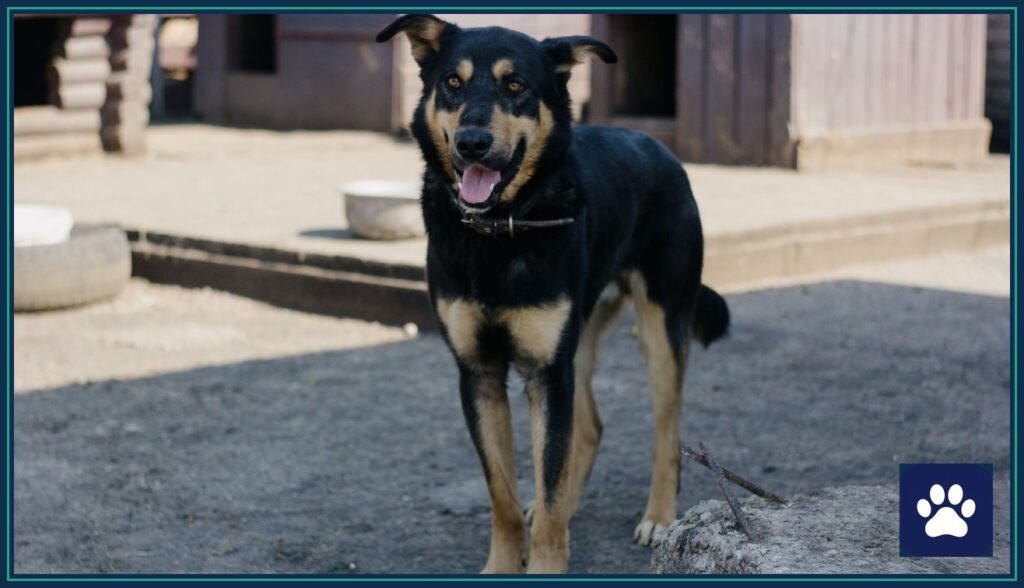
Black and tan dog standing in an outdoor kennel — tour the full facility before booking any dog boarding stay

A safe dog boarding facility lets you tour every area, requires proof of vaccinations, keeps dogs supervised by trained staff, and has a clear emergency plan. The biggest dog boarding red flags are a refused tour, no vaccination requirements, overcrowding, dirty conditions, and staff who seem disinterested in your dog. Check all nine red flags

Viral Pet Hotel Video Has Dog Owners Worried: 9 Dog Boarding Red Flags to Check Before Your Next Trip Read More »

Hydrogel Poisoning in Dogs: The Cooling-Mat Danger the ASPCA Just Flagged

Labrador retriever resting on an indoor dog bed — hydrogel dog beds were flagged in the ASPCA's new study

Hydrogel poisoning in dogs happens when a dog chews or swallows the gel filling inside consumer cooling mats, hydrogel dog beds, migraine caps, or eye masks. The gel can contain residual acrylamide, a potent neurotoxin. Reported signs include vomiting, tremors, unsteadiness, and seizures. If your dog ate hydrogel, call your veterinarian or ASPCA Poison Control

Hydrogel Poisoning in Dogs: The Cooling-Mat Danger the ASPCA Just Flagged Read More »

A Cyclist Died After a Dog Ran Off-Leash in Central Park: The Rules Every Owner Must Know

Person walking a leashed white dog down a wooded park trail

The short answer: Off-leash dog rules are simple: only go off-leash where local rules allow it and your recall is reliable around real distractions. Keep your dog leashed near roads, bike paths, and playgrounds, and never let a loose dog approach people, cyclists, or other dogs without permission. On Monday, October 5, 2026, a 71-year-old

A Cyclist Died After a Dog Ran Off-Leash in Central Park: The Rules Every Owner Must Know Read More »

Salmonella in Dog Food: The Bowl-Side Risk Most Owners Never Think About

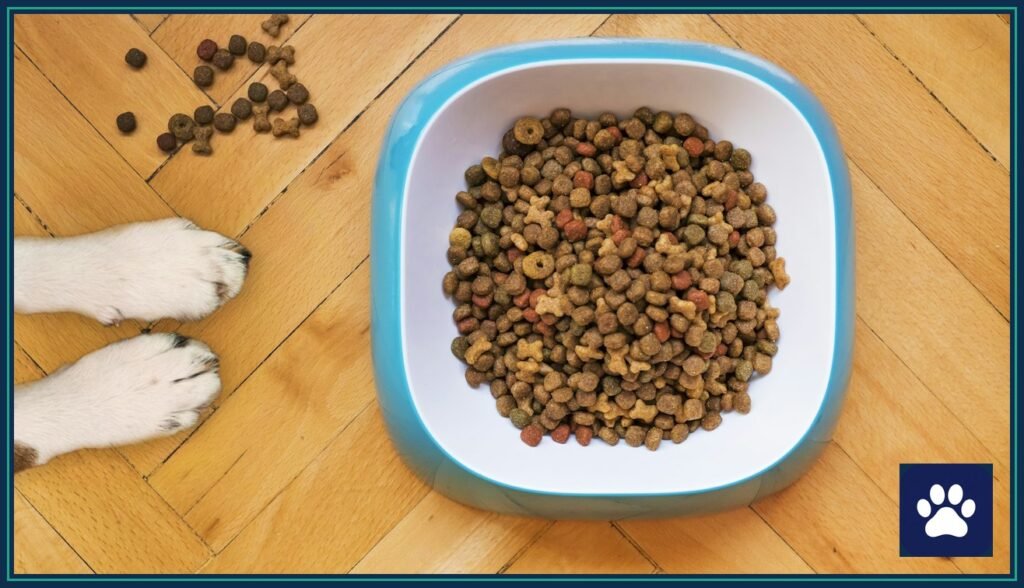
Overhead view of a dog food bowl filled with kibble on a wooden floor, with a dog's paws nearby

The short answer: Yes. Salmonella can contaminate dog food, especially raw diets. Dogs may vomit or get diarrhea, or show no signs while shedding bacteria in their stool. Treat dog food like raw meat: wash your hands and bowls, keep it away from human food, and check FDA recalls. Call your vet if your dog

Salmonella in Dog Food: The Bowl-Side Risk Most Owners Never Think About Read More »

Your Dog’s Sense of Smell Is Guarding NYC’s Water Supply — Here’s What It Can Really Do

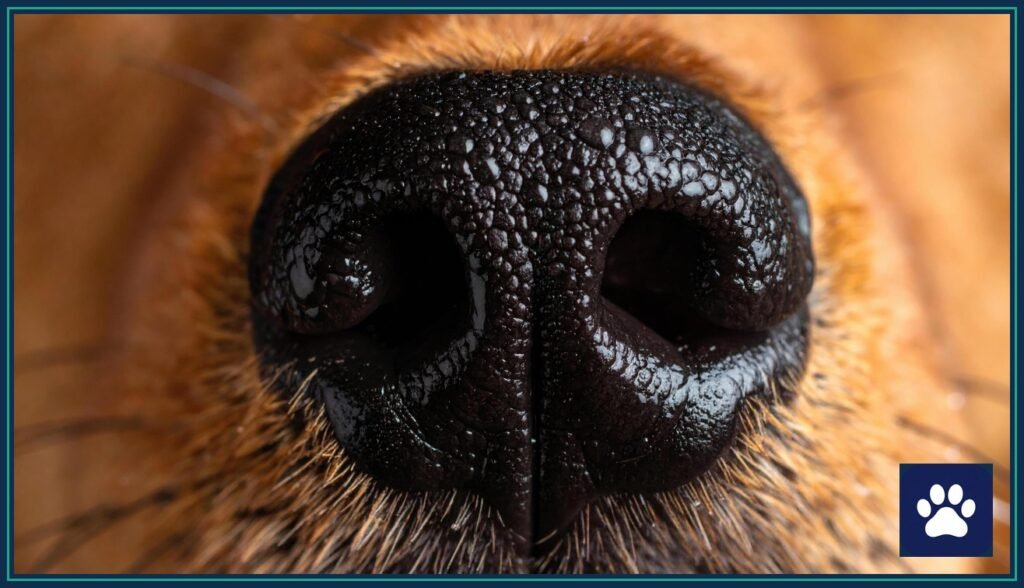
Extreme close-up of a dog's nose showing the detailed texture behind a dog's powerful sense of smell

A dog’s sense of smell is at least 100,000 times more sensitive than a human’s, with up to 300 million scent receptors versus our roughly 5 million. New York City now uses conservation detection dogs to sniff out invasive zebra mussels in its drinking-water reservoirs: the same nose your dog uses every day. Definition: a

Your Dog’s Sense of Smell Is Guarding NYC’s Water Supply — Here’s What It Can Really Do Read More »

A Dog Died From Poisoned Meat This Week: Antifreeze Poisoning in Dogs — Signs and What to Do

Beagle sniffing fallen leaves on an autumn forest trail

Antifreeze poisoning in dogs happens when a dog ingests ethylene glycol, the sweet-tasting chemical in antifreeze. Dogs first act drunk, then briefly seem to recover, then crash with kidney failure 36–72 hours later. Antidote treatment only works if started within 8–12 hours of ingestion, so if you suspect exposure, call your veterinarian or animal poison

A Dog Died From Poisoned Meat This Week: Antifreeze Poisoning in Dogs — Signs and What to Do Read More »

Puppy Potty Training Schedule: Complete Age-by-Age Guide

Golden retriever puppy sitting on green grass in a sunny backyard — illustrating a puppy potty training schedule

Nothing tests a new puppy owner’s patience like house training, but here’s the reassuring truth: most accidents aren’t a training problem. They’re a scheduling problem. A puppy potty training schedule simply matches potty breaks to your puppy’s age and bladder capacity, so you’re outside before nature calls instead of mopping up after it. The short

Puppy Potty Training Schedule: Complete Age-by-Age Guide Read More »