
Rat poison in dogs is a medical emergency. The most common type takes 3 to 5 days to show signs, and by then, bleeding can be too late to stop. If you think your dog ate rat poison, call your vet and Pet Poison Helpline at (855) 764-7661. Do not wait for symptoms.
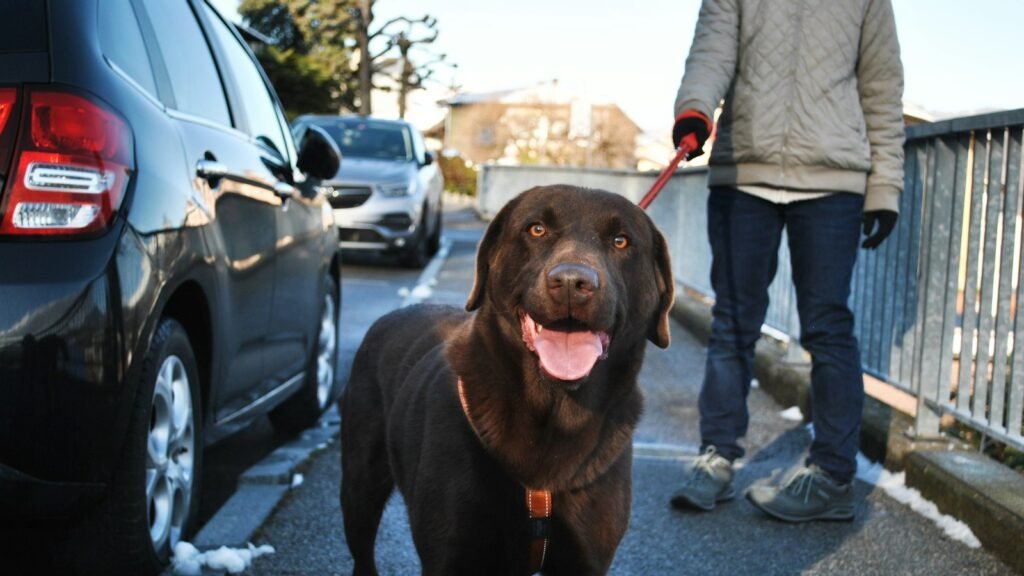
This week, that danger stopped being theoretical for one Massachusetts family. On Monday, November 2, 2026, Nahant officials warned residents after a local resident lost two large Labrador retrievers over the weekend: the dogs died, the town said, “due to the ingestion of a toxin after going for a local walk.” The toxin is unconfirmed, but the warning was aimed squarely at one suspect: anticoagulant rat poison.
What is rat poison (rodenticide)? Rodenticides are poisons made to kill rats and mice. The most common kind, long-acting anticoagulants (LAACs, also called second-generation anticoagulant rodenticides or SGARs) stop blood from clotting, so an animal that eats them can bleed internally. Other types attack the brain (bromethalin), the kidneys (cholecalciferol, or vitamin D3), or release toxic gas in the stomach (zinc phosphide). Each type needs different treatment, so knowing what your dog ate matters.
What happened in Nahant this week?
On Monday morning, November 2, 2026, Nahant officials posted that a resident had “lost 2 large Labrador retrievers over the weekend due to the ingestion of a toxin after going for a local walk,” according to Boston.com. The exact source is still unknown.
The town used the moment to warn about second-generation anticoagulant rodenticides. Earlier this year, Nahant voters banned professional pest control companies from using first-, second-, or future-generation anticoagulant rodenticides on any property in town, and officials asked residents to check that their own pest control company is not applying them.
Federal law already bars SGAR sales to general consumers, but licensed pest controllers and some agricultural users can still use them in Massachusetts. A dog need not eat a bait block to be poisoned: a pellet on a sidewalk, or a poisoned rodent, is enough.
What are the signs of rat poison in dogs?
The signs depend on the type. The most common is also the sneakiest: with long-acting anticoagulants, signs usually do not appear for 3 to 5 days, and a large dose can kill before an owner realizes anything is wrong.
Watch for these warning signs: nosebleeds, bleeding gums, blood in vomit, stool, or urine, unexplained bruising, or swollen joints; pale gums, weakness, lethargy, and collapse; trouble breathing or coughing, which can mean bleeding into the lungs; and vomiting, diarrhea, or loss of appetite.
How do the four types of rat poison differ?
Long-acting anticoagulants (LAACs) are the most common type. They block vitamin K, so blood cannot clot, and internal bleeding appears after 3 to 5 days. The prescription antidote is vitamin K1, usually given for about 30 days.
Cholecalciferol (vitamin D3) raises calcium in the blood until the kidneys fail. Signs include increased thirst and urination, weakness, and loss of appetite; kidney failure can follow in 2 to 3 days.
Bromethalin causes brain swelling: incoordination, tremors, seizures, paralysis. There is no antidote, so speed matters even more.
Zinc and aluminum phosphide release phosphine gas in the stomach, causing bloating, vomiting, abdominal pain, shock, and collapse.
If you do not know the type, do not guess: bring the packaging, or a photo of it, to the vet. If the active ingredient is not visible, the EPA registration number on the label lets poison control identify it.
What should you do if your dog eats rat poison?
Act in minutes, not hours: every rodenticide is more treatable the sooner a vet is involved. Call your vet and Pet Poison Helpline at (855) 764-7661, or the ASPCA Animal Poison Control Center at (888) 426-4435. Both are open 24 hours; a consultation fee may apply.
Do not wait for symptoms, and do not induce vomiting unless a vet tells you to: it is only safe for some poisons, within a short window, and dangerous with phosphide poisons, which release toxic gas. Save the packaging or photograph the label: the active ingredient, or the EPA registration number, tells the vet which treatment your dog needs. And watch for secondary poisoning: a dog that eats a poisoned rat or mouse can be poisoned too.
At the clinic, treatment may include induced vomiting, activated charcoal, vitamin K1 for anticoagulant types, IV fluids, and, in severe cases, a blood transfusion. If your dog swallowed something else toxic, BlueTarg’s free Dog Toxin Checker can help while you call the vet.
How can you keep your dog safe from rat poison on walks?
You cannot see rat poison on a sidewalk, so prevention is about habits. Teach a solid “leave it” and “drop it”: most poisonings happen because a dog grabs something off the ground before the owner can react. Scan the ground on walks (especially near dumpsters, alleyways, and building foundations) and keep your dog on a short lead near bait stations or dead rodents.
Ask your pest control company what it uses, and ask for snap traps or sealed bait stations instead: poison put down in one yard can wash or be carried into another. Never put rat poison where a dog can reach it, and know your vet’s emergency number before you need it: our how to choose a veterinarian guide covers emergency and after-hours care, and the Dog Wellness Planner can help you build safer routines for walks and feeding.
The two Labradors in Nahant were on an ordinary walk, and an ordinary walk is exactly where this poison hides.
Frequently asked questions
How long does it take for rat poison to affect a dog?
It depends on the type. Long-acting anticoagulants usually take 3 to 5 days before signs of internal bleeding appear; cholecalciferol can cause kidney failure in 2 to 3 days; bromethalin and phosphide poisons can act faster. Because symptoms are delayed, never wait to see if your dog gets sick: call your vet immediately.
Can a dog survive eating rat poison?
Yes, many dogs survive with fast treatment, especially anticoagulant poisoning, which has a prescription antidote, vitamin K1, usually given for about 30 days. Survival depends on the type and amount eaten and how fast treatment starts.
What is the antidote for rat poison in dogs?
For anticoagulant rodenticides, the antidote is prescription vitamin K1, available only through a veterinarian or pharmacy. Over-the-counter vitamin K supplements and vitamin-K-rich foods are not substitutes. Bromethalin has no antidote, which is why identifying the poison matters.
What should I do first if I think my dog ate rat poison?
Call your vet and Pet Poison Helpline at (855) 764-7661 immediately, save the packaging or photograph the label, and do not induce vomiting unless a vet tells you to.
Free tools for your dog’s health
BlueTarg’s free tools, plus the $7/month Pro Pet Pass.
Dog Wellness Planner | Dog Toxin Checker | How to Choose a Veterinarian
Sources: Boston.com, “Nahant officials issue warning about pesticides after 2 dogs die” (November 2, 2026); Pet Poison Helpline, “Mouse and Rat Poison (Rodenticides)”; Pet Poison Helpline, “Vitamin K1 for Dogs”. General information only, not veterinary advice.