

A safe dog boarding facility lets you tour every area, requires proof of vaccinations, keeps dogs supervised by trained staff, and has a clear emergency plan. The biggest dog boarding red flags are a refused tour, no vaccination requirements, overcrowding, dirty conditions, and staff who seem disinterested in your dog. Check all nine red flags below before you book.
What happened at the pet hotel in the news?
This week, footage surfaced from a dog boarding facility in Bonito, Brazil, showing the pet hotel owner repeatedly striking a one-year-old Australian shepherd named Ravi. According to reporting from The Sun, the owner told police she was trying to break up a fight between Ravi and a Yorkshire terrier named Kowalski, who died during the incident. A second video then emerged showing the same owner striking a four-year-old Akita and dragging it by one leg. Police questioned her but did not charge her; the case was passed to prosecutors in Mato Grosso do Sul.
What makes this story hit home is how ordinary the setup was: owners trusted the business while they traveled and only learned what happened when the footage went viral. One owner’s dog had stayed there since June 2025 and had come home with unexplained injuries before. Most boarding facilities are run by caring people — but this is exactly why vetting one matters before your dog ever spends a night there.
What are dog boarding red flags?
9 dog boarding red flags to check before you book
- You can’t tour the whole facility. The AKC’s boarding guidance is blunt: if you aren’t allowed to see the kennels, play areas, and food prep, walk away. A well-run operation has nothing to hide.
- No vaccination requirements. Be wary of any kennel that doesn’t ask for immunization records. Requiring core vaccines (and often bordetella) protects every dog in the building, including yours.
- The place is overcrowded. Too many dogs and too few humans means more fights, missed meals, and stressed animals. Ask how many dogs they take at once and how many staff are on duty.
- Dirty, smelly, or run-down conditions. Trust your nose and eyes. Strong odors, soiled bedding, broken fencing, or standing water suggest cleaning and maintenance aren’t priorities — and illness spreads fast in dirty kennels.
- Staff seem disinterested in your dog. During your tour, watch how staff interact with the animals. If nobody asks about your dog’s temperament, routine, or needs, that indifference tends to continue after you leave.
- No clear emergency plan. Ask what happens if a dog fight breaks out, if a dog gets sick overnight, and whether anyone stays on-site after hours. Vague answers here are a major red flag.
- Past injuries get brushed off. Ask how they handle incidents. If every scratch is “just rough play” with no incident process, you won’t hear the truth if something happens to your dog.
- No trial visit or temperament check. Good facilities want to meet your dog first — often with a short trial day — to check compatibility with group play. A kennel that takes any dog, sight unseen, isn’t screening for safety.
- Zero updates while you’re away. You don’t need a livestream, but a facility that refuses photos or messages during a multi-day stay is asking for blind trust. The owners in this week’s story learned everything from viral video.
What questions should you ask a boarding facility?
Bring this list to your tour — the answers tell you most of what you need to know:
- What is your staff-to-dog ratio, day and night?
- Is anyone on-site overnight?
- What vaccinations do you require?
- How do you supervise group play?
- What is your plan if a dog is injured or a fight breaks out?
- Which vet do you use in an emergency?
- Can I do a trial half-day first?
- How will you update me while I’m away?
The AKC’s guide to choosing a boarding kennel covers many of the same checkpoints and is worth a read before you visit.
How can you prepare your dog for a boarding stay?
Even a great facility is still a strange place. A trial day or two of daycare first lets your dog learn the smells, sounds, and people without the pressure of an overnight stay. Keep feeding and medication routines identical to home — write them down, because verbal instructions get lost. Before the trip, run BlueTarg’s free Dog Wellness Planner to get your dog’s daily routine in one clear summary you can hand to the boarder.
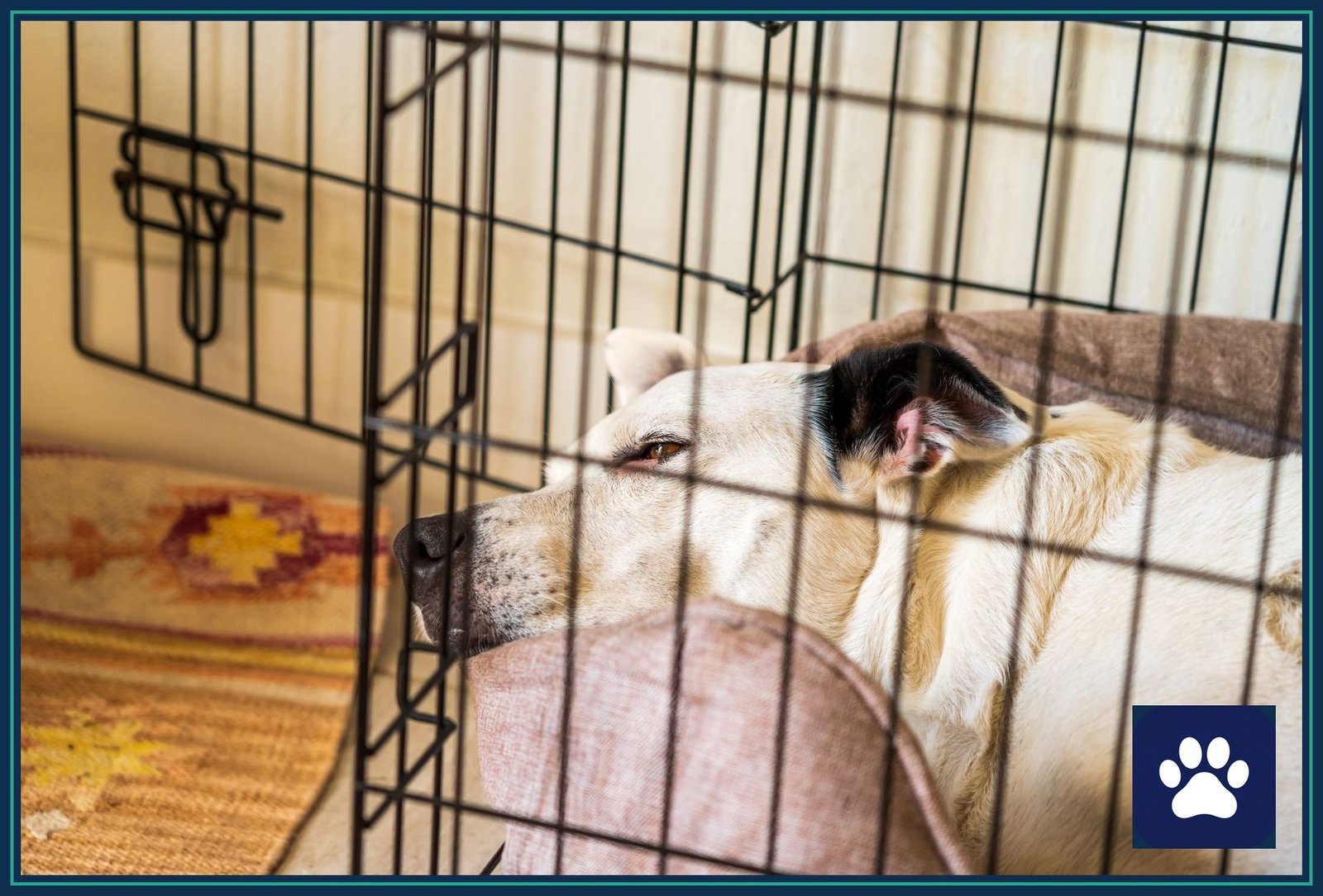
At pickup, tired is normal; frightened, filthy, injured, or suddenly different is not. If something seems off, ask for specifics — and if the answers don’t add up, find a new facility and consider reporting genuine mistreatment to your local animal control.
What are safer alternatives to traditional boarding?
Boarding isn’t the only option. Anxious, elderly, or medically fragile dogs often do better with one-on-one care: a professional pet sitter in your home, boarding in a sitter’s home, or a trusted friend following a written care plan. Whichever route you choose, vet it the same way — references, a meet-and-greet first, and clear written instructions. Related reading: our guide to off-leash rules and shared-space safety.
Frequently asked questions
Is dog boarding stressful for dogs?
It can be, especially the first time. Many dogs adapt well to a clean, well-staffed facility, while anxious or senior dogs may struggle. A trial day is the honest test — ask your vet if you’re unsure.
Should a boarding facility offer cameras or updates?
Not every good kennel has webcams, but every good kennel will update you. Regular photos or messages are a reasonable expectation — a facility that refuses all contact is a red flag.
What vaccinations does my dog need before boarding?
Most ask for rabies, distemper/parvo, and bordetella (kennel cough), with proof from your vet. Confirm the list well before your trip so there’s time for boosters.
Is hiring an in-home pet sitter safer than boarding?
It can suit anxious, senior, or special-needs dogs, since your dog stays in familiar surroundings. But sitters need vetting too: check references, do a trial visit, and leave written instructions plus your vet’s number.
What should I do if my dog comes home injured from a kennel?
See your veterinarian promptly and document everything with photos and notes. Ask the facility for a written account of what happened. If you suspect genuine mistreatment, report it to your local animal control so it can be investigated.
Travel with a calmer mind
Hand your boarder or sitter a clear plan: the free Dog Wellness Planner builds your dog’s daily routine in about a minute. Want every tool remembering your dog — wellness history, vet costs, pro tools, and members-only guides? Pro Pet Pass is just $7/month.