

Rabies in dogs is a viral brain infection spread through the saliva of an infected animal, usually through a bite, and it is almost always fatal once symptoms appear. Keeping your dog’s rabies vaccine current is the best protection. This week, Los Angeles County confirmed its first rabies-positive raccoon in more than 50 years.
What just happened in Los Angeles County?
On October 6, 2026, Los Angeles County health officials announced they were investigating the first rabies-positive raccoon in the county in more than 50 years — the last reported case dates to 1973. The sick-looking animal had entered the backyard of a Westlake Village home. A dog exposed to the raccoon had up-to-date vaccines; the dog was quarantined and is doing fine, according to reporting from the New York Post. Four people at a nearby worksite who may have been exposed received rabies post-exposure prophylaxis.
Health officials believe the raccoon was most likely infected by a bat, and variant testing was still underway. County Health Officer Muntu Davis called the detection “an important reminder to never touch, handle or feed any wild animals, even when they appear healthy,” and urged residents to contact animal control about any animal acting strangely.
What is rabies in dogs?
How do dogs catch rabies?
Rabies lives in the saliva of infected mammals and enters through broken skin or mucous membranes — usually a bite wound. In the United States, the wild animals most likely to carry the virus are raccoons, skunks, foxes, and bats. The CDC notes that rabies causes acute encephalitis in warm-blooded hosts and is nearly always fatal once it develops.
Two things from this week’s announcement should catch every dog owner’s attention. First, a record 70 rabid bats have been recorded in the county so far in 2026 — and officials say “peak season” hasn’t even arrived. Rabid bats have turned up everywhere from suburban backyards to office buildings, parks, and schools. Second, about one-third of bat encounters happen indoors. A bat in your home can expose a dog in seconds, even if nobody sees a bite.
What are the symptoms of rabies in dogs?
After exposure, rabies travels along nerves toward the brain. The incubation period is often weeks to months, which is why prompt action after contact matters so much. Early signs can be subtle: fever, lethargy, restlessness, or a temperament change — a friendly dog becoming irritable, or a shy dog becoming oddly affectionate. Later signs may include excessive drooling, difficulty swallowing, sensitivity to light and sound, disorientation, or paralysis around the throat and jaw.
A particularly deceptive sign: a wild animal that loses its fear of people. Nocturnal animals active in daylight, or a normally shy raccoon or skunk approaching calmly, should be treated as a red flag — keep your distance and call animal control. Note that many rabies signs overlap with other neurological or toxic conditions, so unusual behavior always warrants a prompt veterinary exam rather than a wait-and-see approach.
What should you do if your dog encounters wildlife?
Minutes matter. If your dog is bitten or scratched by a wild animal — or you find your dog alone with one — do this:
- Don’t touch the wild animal, dead or alive. Call your local animal control to handle it.
- Call your veterinarian right away, even if the wound looks minor. Your vet will assess the exposure, may give a rabies booster, and will follow your local public-health rules on observation or quarantine.
- Have your dog’s vaccination records handy. Vaccinated dogs that are re-exposed usually get a booster and observation — the Westlake Village dog’s current vaccination is exactly why its outcome looks good.
- Report the bite to your local animal control or public-health agency so they can track the animal and advise you.
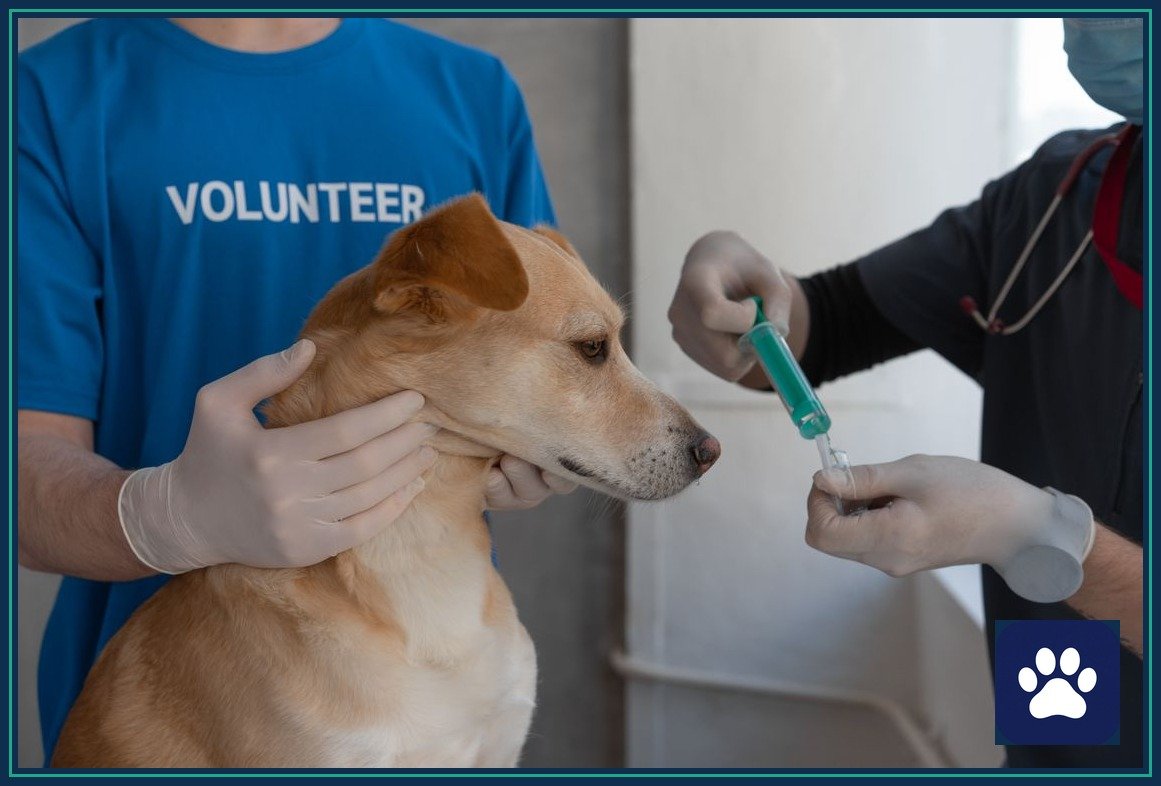
Prevention is simpler than any of this: supervise your dog outdoors, keep vaccinations current, don’t let dogs investigate dead or sick animals, and never feed or approach wildlife — even when the animal looks healthy.
How does the rabies vaccine protect your dog?
The rabies vaccine is the single most important protection against rabies in dogs, and most U.S. states require it by law. Puppies typically receive the first dose at 12 to 16 weeks of age, followed by boosters on a one- or three-year schedule set by your state and your veterinarian. A dog is considered immunized about 28 days after the first dose; boosters take effect immediately.
The protection is well worth keeping current. Thanks to widespread vaccination, the CDC’s reporting shows only a few dozen rabies cases in dogs nationwide in a typical recent year, while thousands occur in wildlife. There is no cure once symptoms start, so the vaccine — plus fast action after exposure — is the entire defense. If your dog is overdue, a booster restores protection immediately. Ask your vet for a vaccination check, or run BlueTarg’s free Vet Cost Estimator to budget the visit.
Frequently asked questions
Can an indoor dog still get rabies?
Yes. About one-third of bat encounters happen indoors, and a bat slipping into the house can bite a dog without anyone noticing. Indoor-only dogs still need the rabies vaccine — it is also legally required in most states.
How long after a bite do rabies symptoms appear in dogs?
The incubation period is typically weeks to months, depending on where the bite occurred and how far the virus must travel to reach the brain. This long silent window is exactly why you should call your vet immediately after any wildlife bite rather than waiting for signs.
My dog’s rabies vaccine is overdue — is it too late?
No. Dogs with any vaccination history are considered protected immediately after a booster, even if overdue. Call your vet to get your dog back on schedule — and mention any wildlife contact.
Can humans catch rabies from a dog?
Rabies can spread between animals and people through infected saliva, usually a bite. Anyone bitten by a wild animal — or a pet that may have been exposed — should seek medical care immediately. Post-exposure treatment in humans is highly effective when started promptly.
Should I report a sick or strange-acting wild animal?
Yes. Never approach it. Contact your local animal control or public-health agency and describe what you saw — especially nocturnal animals active in daylight, or animals that look ill or have lost their fear of people.
Know your dog’s health baseline
Subtle behavior changes are the earliest warning sign of many conditions, including rabies in dogs. The free Dog Wellness Planner builds your dog’s daily routine in about a minute, so you can spot when something is off. Want every tool remembering your dog — wellness history, vet costs, pro tools, and members-only guides? Pro Pet Pass is just $7/month.