
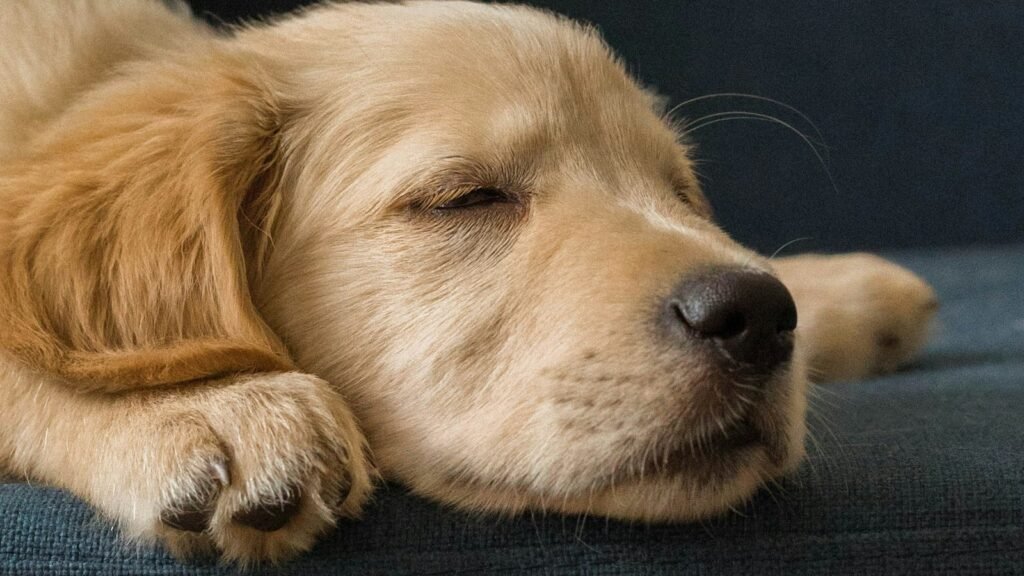
Bringing home a puppy is exciting, but the first few weeks can feel like a loop of meals, potty trips, biting, play, and interrupted sleep. A simple routine helps your puppy understand what happens next and helps you notice patterns before they become frustrating.
Start with anchors, not a minute-by-minute timetable
Choose a consistent wake-up time, meal times, and bedtime. Build potty breaks, naps, training, and play around those anchors. Young puppies often need a potty opportunity after waking, eating, drinking, energetic play, and training.
Keep training short
Several sessions lasting three to five minutes are usually easier than one long lesson. Practice the puppy’s name, coming when called indoors, sitting, trading objects, and settling calmly. End while the puppy is still interested.
Protect nap time
Puppies can become mouthier, noisier, and less able to learn when overtired. Provide a quiet, safe resting area and use a predictable wind-down routine.
Track what actually happens
Write down meals, potty successes and accidents, naps, training, and difficult periods for one week. Patterns often reveal that a schedule needs only a small adjustment.
A useful daily rhythm
Wake, potty, breakfast, and a short calm activity. Follow with another potty trip, play or training, and rest. Add a midday meal when appropriate for age, afternoon enrichment, handling practice, evening food, calm family time, final potty trips, and a consistent bedtime.
Ask your veterinarian about feeding frequency, exercise, vaccination restrictions, and health concerns for your individual puppy.
Want a printable system? The BlueTarg 30-Day Puppy Routine Planner tracks meals, potty breaks, training, play, sleep, and weekly progress:
https://bluetarg.com/product/30-day-puppy-routine-planner/
An actual day, hour by hour
This is a 10 to 12 week old puppy. Shift the clock to suit your own wake-up time — the order matters far more than the hour.
| Time | What happens |
|---|---|
| 7:00 | Straight outside to toilet, before anything else. Praise outside, not once you are back in. |
| 7:15 | Breakfast. Then outside again within 15 minutes — eating triggers the need to go. |
| 7:45 | Short play and a three-minute training session. Name, recall indoors, sit. |
| 8:15 | Nap. One to two hours, in the crate or pen. This is not optional. |
| 10:00 | Toilet, then socialisation — carry them somewhere new, or sit and watch the world go by. |
| 11:00 | Toilet, then nap. |
| 12:30 | Lunch, toilet, gentle play, chew time. |
| 13:30 | Toilet, then nap. The long afternoon sleep. |
| 16:00 | Toilet, training, handling practice — paws, ears, mouth. |
| 17:30 | Dinner, then toilet. |
| 18:30 | Family time, calm play, another short nap. |
| 21:00 | Last meal removed. Water stays available. |
| 22:30 | Final toilet trip, then bed. |
| Overnight | Expect one trip out at this age. It gets later as they grow. |
How often they genuinely need the toilet
There is a rule that works: age in months, plus one, is the number of hours a puppy can comfortably hold it. A three-month-old manages about four hours. At two months it is three.
That is the maximum, not the target. Take them out after every wake-up, every meal, every drink, every burst of play, and every training session. In the first fortnight home, every 30 to 60 minutes while awake is normal.
How much sleep is normal
Puppies need 18 to 20 hours a day, taken in short blocks. Most owners dramatically underestimate this, and almost every case of a puppy who turns into a biting, screaming, ungovernable menace at 5pm is a puppy who has not slept enough.
If your puppy gets frantic in the late afternoon, the answer is almost never more exercise. It is a nap.
The thing that matters more than the schedule
The socialisation window closes at around 16 weeks and does not reopen. Whatever your puppy has not met calmly by then — traffic, children, vets, other dogs, the vacuum — is harder to teach for the rest of their life.
Protect a slot for it every single day, even on the days the routine falls apart. See the puppy timeline for exactly when that window opens and closes for your puppy’s date of birth.
What not to worry about
- Missing the timings. The order is what your puppy learns, not the clock.
- Night waking. Normal at this age. It shortens on its own.
- Biting. Normal, peaks around teething, and is usually worse when overtired.
- Accidents. Expected until around 4 to 6 months. Clean with an enzymatic cleaner, never scold.
Want this as a plan built around your dog?
Answer a few questions about your dog’s age, energy and your schedule, and the free Dog Wellness Planner builds a 7-day routine you can print or adjust.