
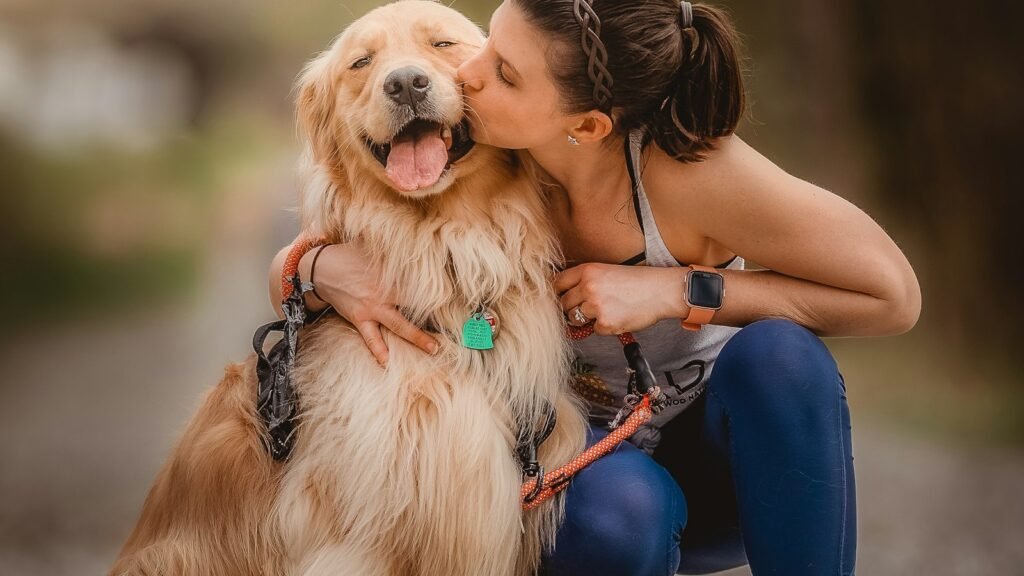
Leaving your dog with a sitter, whether for a weekend away or a fortnight abroad, is stressful in a very specific way: you are not worried that the sitter is bad, you are worried that they will not know the hundred small things you do without thinking. What time the second walk happens. Which side of the sofa is allowed. That the blue lead is the one that does not slip.
Almost every sitter problem traces back to missing information rather than missing care. This checklist covers everything worth writing down, everything worth physically leaving out, and the one authorisation most owners forget until it is urgent.
✦ Free printable tool for dog owners
Don’t write all of this out by hand. Use our free Dog Sitter Handoff & Emergency Card Generator to build a custom, printable routine card in under 60 seconds.
1. Feeding and hydration instructions
Dogs run on consistency, and a change in feeding times or amounts is one of the fastest ways to produce an upset stomach in an otherwise healthy dog. Be more specific than feels necessary:
- Exact portions. Grams beat cups, because a cup means different things to different people. If you can, leave a scoop with a line drawn on it, or pre-portion the meals into labelled bags or containers.
- Exact times. Write the clock times you actually use, not “morning and evening”.
- Where everything lives. Food, treats, the tin opener, the storage bin, the spare bag. Say how much food is there and when it will run out.
- What is not allowed. List the human foods your dog begs for and must not have. If anyone else in the house might slip them something, say so.
- Water. How many bowls, where they are, how often to rinse and refill.
2. Medication and health details
If your dog takes anything daily, assume the sitter has never given a dog a tablet before and write accordingly:
- The name of each medication, the dose, and the exact time it is given.
- How to give it. Wrapped in cheese, hidden in a pill pocket, syringed into the cheek. Whatever works for your dog, describe it step by step.
- What to do about a missed or spat-out dose.
- Known allergies, chronic conditions, and anything the dog is being monitored for.
- Where the medication is stored, and whether the supply covers the whole stay.
3. Daily walk and exercise routine
A tired dog is an easy dog, and an under-exercised dog will find something else to do with the energy. Give your sitter enough to keep the pattern going:
- How many walks, roughly how long, and at what times.
- Preferred routes, and any route to avoid. Say why, briefly.
- Which harness, collar or lead, and where they hang.
- Lead behaviour. Pulls at the start, reacts to squirrels, nervous around larger dogs, fine off lead in the park but not near the road. This is the section sitters read twice.
- The toilet schedule, and where the bags are.
- Whether the dog is allowed to greet other dogs, and how to read it if they are not.
4. Emergency contacts and vet information
This is the part that has to be findable in ten seconds by someone who is already worried. Put it on the fridge, not in a folder.
- Your vet practice, with the name, address and phone number, plus your dog’s name as it appears on their file.
- The nearest 24-hour emergency clinic, which is usually a different place from your normal vet. Look it up before you leave rather than expecting your sitter to find it at 2am.
- Microchip number and the registration provider, so a found dog can be matched back to you quickly.
- Your own contact details, including a number that works abroad, and the time zone you will be in.
- A local backup. A friend, neighbour or family member nearby who can physically get to the house if the sitter cannot cope alone.
5. Vet payment authorisation, the step most people skip
A sitter cannot approve treatment for a dog they do not own, and no clinic will begin non-emergency work without someone accepting the cost. If you are unreachable, that gap turns into a delay at exactly the wrong moment.
Before you go, call your practice and tell them who will be caring for your dog and that they have your authority to present the dog for treatment. Ask whether they want that in writing, leave a card on file if they offer it, and set a spending limit you are comfortable with so nobody has to guess. Write the limit on the sitter’s card too, so they know where they stand.
If you have pet insurance, leave the policy number and insurer phone number alongside the vet details.
6. Home and access information
Half of a sitter’s stress has nothing to do with the dog:
- How to get in, where the spare key is, and the alarm code with the steps in order.
- Bins, recycling and collection day.
- Wifi name and password.
- Heating controls, and anything in the house that is temperamental.
- Which doors and gates must stay shut, and which windows the dog can open by leaning on them.
- Who else has a key and might turn up unannounced.
7. What normal looks like for your dog
Sitters cannot spot a problem unless they know the baseline. This short section does more for your dog’s safety than any other part of the handover:
- Usual appetite, and how they normally behave around food.
- What their stools normally look like, and what would count as a change.
- How much they normally sleep, and where.
- Noises and habits that look alarming but are routine. Reverse sneezing, snoring, circling before lying down, the shake-off after a stressful moment.
- Signs of stress in your particular dog. Pacing, panting when it is not hot, refusing food, hiding.
- Things that frighten them. Fireworks, the hoover, the postman, thunder.
8. What to physically leave out
Gather it in one place, ideally a single box or shelf the sitter can be shown once:
- Enough food for the stay plus two extra days.
- Medication, clearly labelled.
- Spare lead, collar and harness.
- Poo bags, more than you think.
- Towels for wet or muddy returns.
- Cleaning supplies for accidents, so nobody has to go hunting.
- Favourite toys and the comfort item, if there is one.
- A worn t-shirt of yours in their bed. It costs nothing and it helps.
- The printed routine card, on the fridge.
9. The meet-and-greet
Book a short visit two or three days before you leave, with the dog present. Walk the sitter through the house, do a lead handover, and let them give a meal or a treat so the first interaction is a positive one.
Use that visit to have the sitter read the routine card in front of you. They will ask two or three questions you would never have thought to answer, and those answers are usually the important ones.
Frequently asked questions
What is the single most important thing to leave for a dog sitter?
Emergency vet contacts together with payment authorisation. Everything else can be worked out from context, but a sitter standing in a clinic without the authority to approve treatment loses time your dog may not have.
How far in advance should I prepare the instructions?
Write them two or three days before you leave, then walk the sitter through the routine in person at the meet-and-greet. Writing them the night before means writing them tired and forgetting things.
How much detail is too much?
There is no such thing as too much, as long as it is organised. Keep the urgent information, which is vet contacts and medication, on a single visible card, and put the background detail in a longer document the sitter can read once and refer back to.
Should I leave instructions for a friend or family member too?
Yes, and exactly the same ones. People who know you well are often the least prepared, because everyone assumes they already know the routine. Hand them the card as well.
What if my dog stays at the sitter’s house instead of mine?
The same list applies, minus the household access section. Add where your dog is allowed to sleep, how they are with other animals in that house, and pack their own bed and bowls so at least some of the smells are familiar.
Once the card is written, keep it. Update the vet number and the medication when they change, and the next trip takes ten minutes to prepare instead of an evening. If you would rather not start from a blank page, the free generator lays it out for you, and our dog emergency information checklist covers what to keep on the fridge the rest of the year.