
Why does your dog do that weird thing — the 3 a.m. wall stare, the spin ritual before bed, the sock that gets carried everywhere but never chewed? Short answer: most “weird” dog behaviors are instinct, comfort, or learned routine, not problems. The ones that matter are the new or sudden ones. Here’s what seven common quirks actually mean, plus the red flags that deserve a vet call.
The topic got its own spotlight this week: on October 15, 2026, dog DNA company Embark launched a “World’s Weirdest Dog” contest, inviting owners to upload photos or videos of their pups’ strangest habits (entries open through November 15th). Entries like “sleeps upside down in the bathtub” and “refuses to walk past a certain house, every single time” are the same mysteries owners ask us about most. (Embark, October 2026)
Quick definition: what counts as a “weird” dog behavior?
A “weird” dog behavior is any habit that looks baffling to humans but serves a purpose your dog understands — sleeping belly-up, spinning before lying down, or treating one sock like treasure. Most come from instinct, comfort, or a routine your dog has rehearsed into habit. A quirk is only worth investigating when it’s new, sudden, or escalating — that’s your dog telling you something changed.
Why does my dog spin in circles before lying down?
Blame your dog’s wild ancestors. Circling before lying down is a nesting instinct: wolves and wild canids turned to flatten grass, clear away rocks and insects, and check the area one last time before settling into a vulnerable sleeping position. Domestic dogs kept the software even though the bedroom is now a memory-foam dog bed — the circling also presses scent from glands in their paws into the spot, marking it as theirs. (VCA Animal Hospitals)
It’s charming — unless the circling is frantic, nonstop, or always in one direction, which can signal pain, neurological issues, or compulsive behavior. Gentle pre-nap twirls? Totally normal.
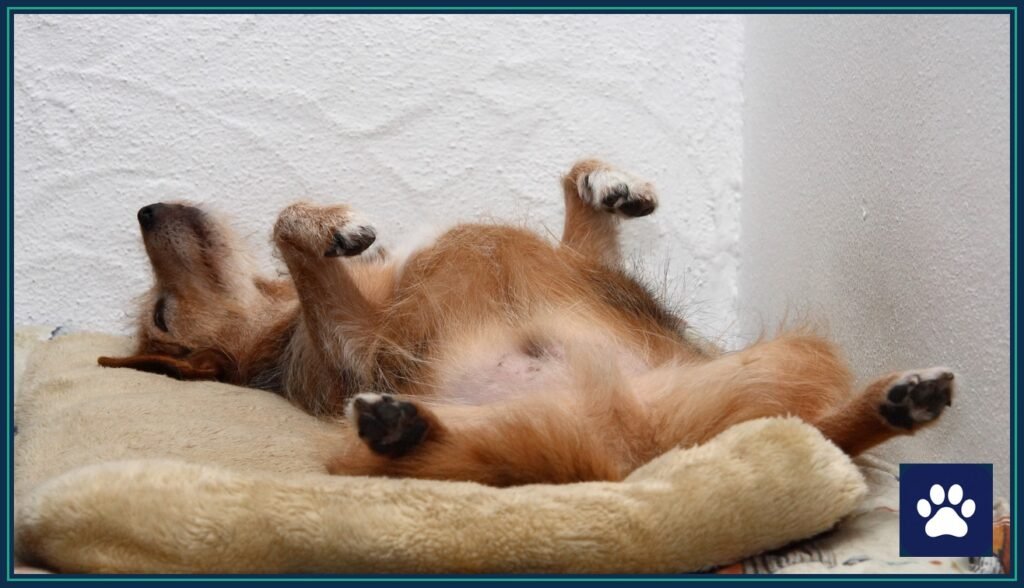
Why does my dog sleep upside down with their belly in the air?
Belly-up sleeping is one of the happiest signals in dog body language. A dog exposes their most vulnerable area only when they feel safe — so the “dead roach” pose is a compliment to your home. It also cools them down, since heat escapes faster through the less-furry belly. If your dog suddenly can’t seem to get comfortable in any position, that’s a vet conversation.
Why does my dog stare at the wall for no reason?
Usually, nothing spooky — your dog hears or smells something you can’t. Walls carry vibrations, plumbing noises, and faint sounds that lock a dog’s attention like it’s their job.
The exception: if a senior dog starts staring into space, getting “stuck” in corners, or acting confused in familiar rooms, mention it to your vet — these can be signs of canine cognitive dysfunction, which is manageable when caught early. And know the difference between staring and head pressing — deliberately pushing the head against a wall or furniture is a possible sign of neurological trouble and means calling your vet promptly, not waiting.
Why does my dog carry a sock around but never chew it?
This is the retriever instinct showing up in a non-retriever’s house — carrying a soft object gently is literally what dogs were bred to do with game birds. For most dogs it’s a comfort habit, like a toddler with a security blanket, and a social gesture: carrying objects toward their favorite human is often a look-at-me parade.
Gentle carrying is harmless. Chewing and swallowing socks is not — keep laundry off the floor, because a swallowed sock is a vet emergency waiting to happen.
Why does my dog refuse to walk past a certain house?
Your dog remembers something about that spot that you don’t — a dog barked there once, a loud noise startled them, or a strong smell (like a cat colony or a grill) triggers a fear memory. Dogs form single-event associations far more easily than we do, and avoidance is a sensible survival strategy.
Don’t drag them past it; that just confirms the spot is scary. Instead, rebuild the association: cross the street, reward calm behavior with high-value treats, and let your dog set the pace. If the fear spreads to other places or your dog is panicking, our free Dog Behavior Plan Generator builds a 14-day starter plan that includes fear and anxiety work.
Why does my dog get the zoomies right after a bath?
Post-bath zoomies are FRAPs — frenetic random activity periods, the official name for that glorious burst of sprinting, spinning, and couch-bouncing. After the stress of a bath (plus weird new shampoo smells), your dog’s pent-up energy explodes out in a sprint. It’s a healthy dog shaking off tension — literally.
Nightly zoomies are usually just energy management. If your dog ricochets off the walls every evening, they may be asking for more daytime exercise — try our free Dog Exercise Needs Finder to check their activity against their breed and age.
Why won’t my dog eat unless I’m standing right there?
Some dogs are “social eaters”: eating with the pack nearby feels safer than eating alone, so they wait for company. It’s affectionate and deeply dog. But it can also be an early sign of separation anxiety — if your dog won’t eat when home alone, paces when you grab your keys, or panics at departures, the eating is a symptom, not the quirk. Our free 14-day separation anxiety plan walks you through alone-time training.
When should a “weird” habit actually worry you?
Use this simple rule:
new, sudden, or escalating = vet call.
Most quirks are lifelong and stable. Call your vet if you notice a behavior that appeared overnight, head pressing or compulsive one-direction circling, a senior dog getting “stuck” or confused in familiar places, excessive licking of floors or walls (a possible nausea sign), or any quirk paired with appetite or energy changes. Dogs can’t tell us when something feels wrong, so a changed habit is often the message itself.
Weird dog behaviors: frequently asked questions
Why is my dog suddenly acting weird?
Sudden behavior changes deserve a vet visit, not a wait-and-see. Dogs hide discomfort instinctively, so new “weird” behavior — withdrawal, restlessness, appetite changes, strange repetitive habits — is often the earliest visible sign of pain, illness, or anxiety. Rule out the medical first; then address the behavioral.
Can a dog’s quirks really come from their DNA?
Partly. Genetics influence temperament, energy, and tendencies like retrieving or vocalizing — which is what Embark’s new Behavior Insights feature maps from DNA test results. But genes are tendencies, not destiny: training and routine shape how quirks show up in your dog.
Is it normal for dogs to stare at nothing?
Usually, yes — dogs hear and smell far more than we do, so a fixed stare often tracks something real you can’t perceive. It’s only a concern if it’s new, persistent, or paired with confusion, especially in older dogs.
Why does my dog get the zoomies every night?
Evening zoomies are FRAPs — normal bursts of energy release, common in young and high-energy dogs. If they’re nightly and intense, your dog may need more daytime exercise or mental stimulation. Check their needs with our free Dog Exercise Needs Finder.
Should I enter the World’s Weirdest Dog contest?
If your dog has a genuinely funny, harmless quirk, why not — Embark’s contest runs October 15 through November 15, 2026, with public voting and prizes including a Times Square billboard feature. Entries are a photo or video uploaded at Embark’s contest page. (BlueTarg isn’t affiliated with the contest; we just like the reminder that weird dogs are the best dogs.)
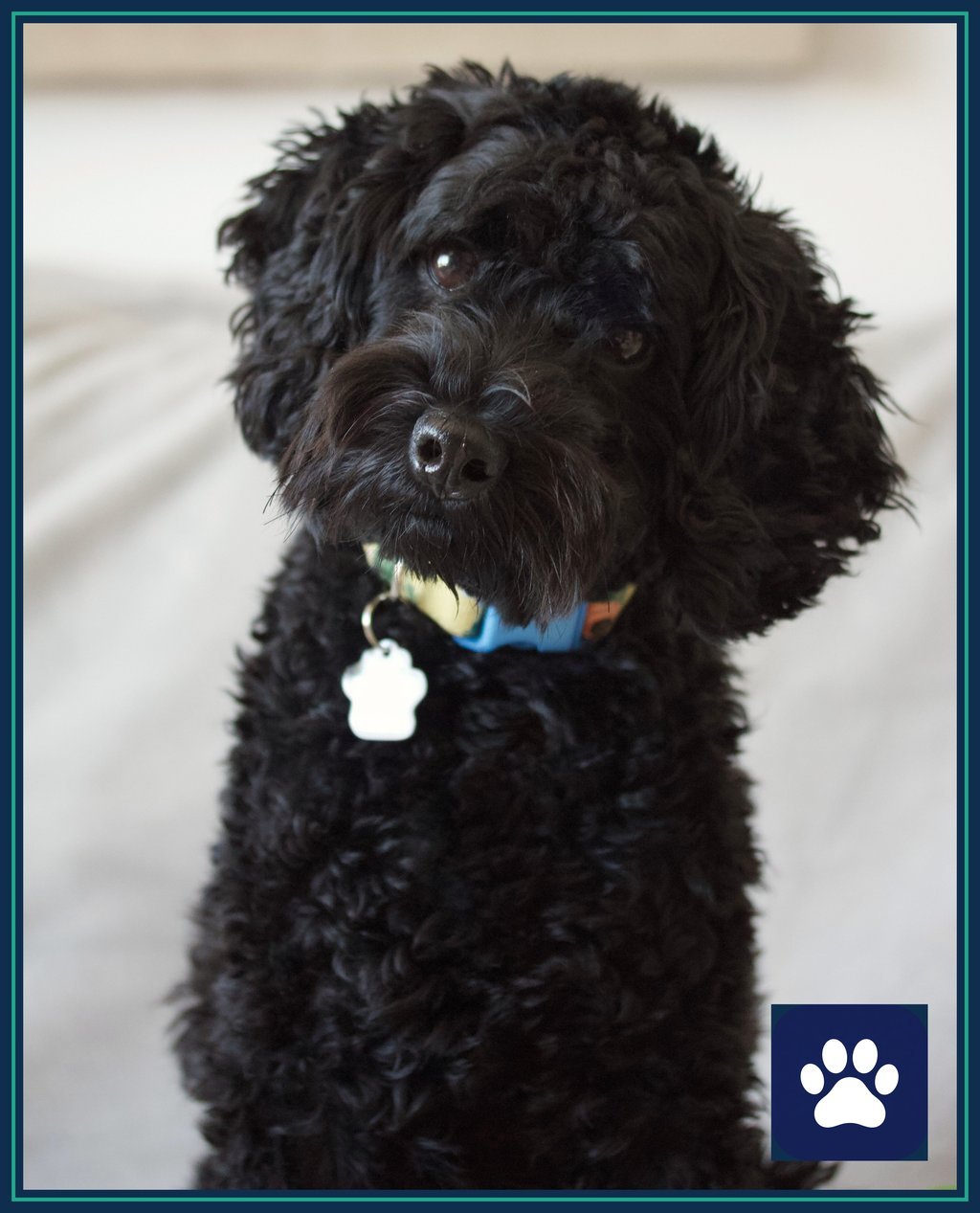
Photo credits: head-tilt pup by Reid Campbell (CC0); belly-up sleeper by Waugsberg (CC BY-SA 3.0) — both via Wikimedia Commons.
Your dog’s weirdest habit is probably a love letter written in instinct. Decode it, enjoy it — and act fast when a quirk changes. Want help with the habits that need shaping? Our free Dog Behavior Plan Generator builds a 14-day starter plan for recall, fear, and anxiety work, and the Dog Exercise Needs Finder matches activity to your dog’s breed and age. Want the full 30-day versions plus all our PRO tools? Join Pro Pet Pass for $7/month.