
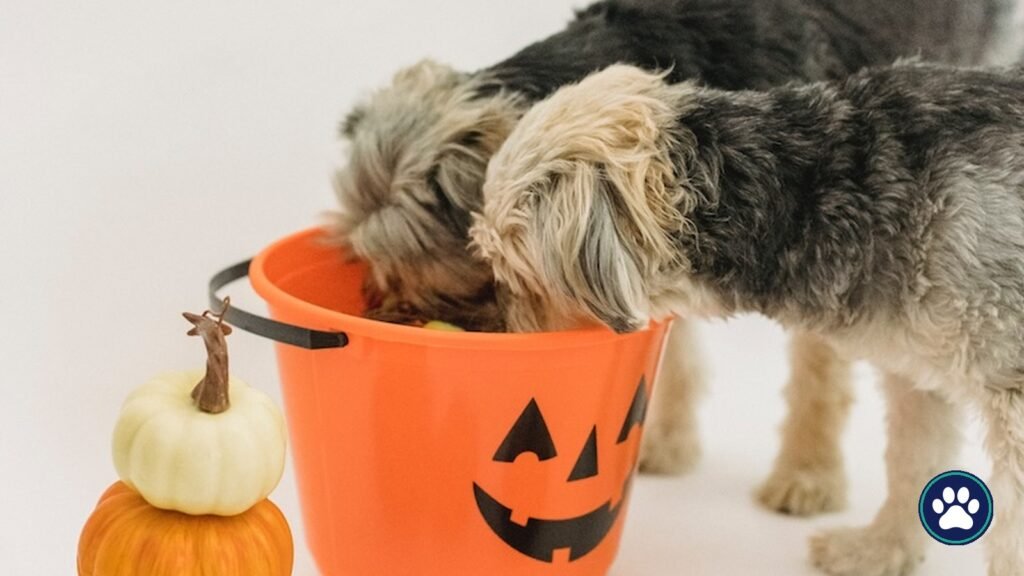
Halloween safety for dogs comes down to one thing: keeping the candy bowl — and everything else chewable the holiday brings — out of nose range. Poison-control calls spike the week of Halloween, with chocolate (dogs are ~95% of those calls) leading the list. Move the candy, scan labels for xylitol, and save your vet’s number before the doorbell rings.
Why is Halloween one of the riskiest nights of the year for dogs?
Because the dangers stack: “Each year, we experience a sharp increase in calls around Halloween,” said Dr. Renee Schmid, senior veterinary toxicologist at Pet Poison Helpline, in their October 2026 guide. “Most often, these calls involve pets accidentally ingesting Halloween candy or décor.” Bowls sit out for days, kids drop trick-or-treat bags on the floor, and the front door opens constantly — exactly when a nervous dog bolts.
Which Halloween candy is most dangerous for dogs?
Pet Poison Helpline’s candy danger chart ranks the worst offenders:
- Dark and baking chocolate — high danger. Theobromine and caffeine are most concentrated here.
- Sugar-free candy and gum with xylitol — high danger. Even small amounts can crash blood sugar and damage the liver.
- Raisins (including chocolate-covered) — high danger. No known safe amount; they can cause kidney failure.
- Marijuana edibles / THC gummies — high danger, and easy to mistake for regular candy.
- Milk chocolate bars — moderate danger. Depends on amount and your dog’s size; no single “safe” number of fun-size bars.
- Candy corn, gummies, Skittles — lower toxicity, but big sugary binges can trigger pancreatitis 2–4 days later.
Watch for vomiting, diarrhea, restlessness, rapid heart rate, tremors, or collapse — signs can take hours, so don’t wait before acting. For a quick second opinion on any suspicious snack, use our free Dog Toxin Checker.
Is xylitol really that dangerous for dogs?
Yes — xylitol consistently ranks among Pet Poison Helpline’s top-ten toxins, and it’s an emergency. In dogs it’s absorbed fast, triggering an insulin surge that crashes blood sugar; larger exposures can cause liver failure. It hides as “birch sugar,” “birch extract,” or “wood sugar” in sugar-free gum and mints, “keto” candy, and protein bars. Because it acts fast, treat any exposure as an emergency even before symptoms appear.
Are “healthy” trick-or-treat snacks safe for dogs?
Not always: mini raisin boxes are a popular handout, but raisins and grapes are toxic — even a small handful can cause kidney failure. Also check bags for trail mix, snack packs, and oatmeal raisin cookies.
Don’t forget the wrappers: foil, cellophane, and lollipop sticks can cause a life-threatening bowel obstruction. If your dog raided a whole bag, compare what’s left — missing wrappers probably went down with the candy.
What non-candy Halloween items can hurt a dog?
Candy gets the headlines, but décor is the other half of Halloween safety for dogs:
- Costumes that restrict vision, movement, or breathing; loose beads, snaps, and bells can contain zinc or lead. Supervise costumed pets, and skip the costume if your dog hates it.
- Candles and jack-o’-lanterns — keep flames away from wagging tails; flameless candles are safer.
- Glow sticks — the liquid causes mouth pain, heavy drooling, and foaming if chewed.
- Battery-powered décor — chewed batteries can cause corrosive burns; a true emergency.
- Fake cobwebs and string décor — tangle risk, and blockages if eaten.
- Moldy pumpkins — rotting pumpkins can carry mycotoxins that cause tremors and seizures. Toss carved pumpkins before they spoil.
- Dry ice — contact can burn skin and mouths; keep it away from pets entirely.
What should I do if my dog eats Halloween candy?
Act fast and stay calm — Pet Poison Helpline’s advice for a candy raid:
- Gather the packaging so you know what your dog ate and roughly how much.
- Note your dog’s weight and the time — your best guess is fine.
- Call your vet or Pet Poison Helpline (855-764-7661), available 24/7 — earlier treatment is safer.
- Never induce vomiting at home without a veterinary professional’s guidance — it can make some exposures worse.
How do I dog-proof my Halloween?
A 15-minute sweep on October 31 covers the biggest Halloween safety for dogs risks:
- Move all candy into closed containers, up high — never in bowls on the coffee table.
- Check your kids’ trick-or-treat bags and keep them out of reach.
- Keep your dog in a crate or quiet closed room during trick-or-treating — this prevents door-dart escapes and doorbell stress. If a bolt ever happens, our first-hour lost-dog plan covers exactly what to do.
- Make sure ID tags and microchip info are current — Halloween is one of the biggest nights of the year for lost dogs.
- Choose pet-safe costumes or skip them; keep candles, glow sticks, and battery-powered décor out of reach.
- Toss carved pumpkins before they mold, and set out dog-safe treats (a frozen Kong, a Halloween dog toy) so your pup isn’t left out.
A short walk and some enrichment before dark make for a calmer Halloween — plan year-round routines with our free Dog Wellness Planner.
FAQ
How long after eating chocolate will a dog show symptoms?
Signs can appear within a few hours, though some dogs show nothing at first. Early treatment is safer and usually less expensive — don’t wait for symptoms before calling your vet or Pet Poison Helpline (855-764-7661).
Can a small piece of chocolate kill a dog?
It depends on the chocolate type, the amount, and your dog’s weight — dark chocolate is far more dangerous, and small dogs are at higher risk. There is no single safe amount, so any chocolate ingestion deserves a call to your vet.
How long does xylitol take to affect a dog?
Dogs absorb xylitol very quickly, and the blood-sugar crash can develop soon after ingestion; larger amounts can cause liver failure. Treat any exposure as an emergency and call right away, even before symptoms appear.
Is candy corn bad for dogs?
Candy corn isn’t toxic, but it’s almost pure sugar — a large amount can cause vomiting, diarrhea, or pancreatitis 2–4 days later. Call your vet if your dog ate a lot.
Should I dress my dog up for Halloween?
Only if your dog genuinely tolerates it — nothing restricting breathing, vision, hearing, or movement, and remove anything chewable like beads or bells. If your dog freezes, hides, or tries to tear it off, skip it; a bandana is plenty festive.
Run any suspicious snack through our free Dog Toxin Checker, plan calmer routines with the Dog Wellness Planner, and keep our lost-dog action plan handy. Want the pro versions plus new guides weekly? Pro Pet Pass is $7/month. Keep that candy bowl high! 🐾
Sources: Pet Poison Helpline — Halloween Pet Safety (reviewed by Renee Schmid, DVM; updated Oct 2026); USA Today (Oct 14, 2026). Suspected poisoning? Call your vet or 855-764-7661.