
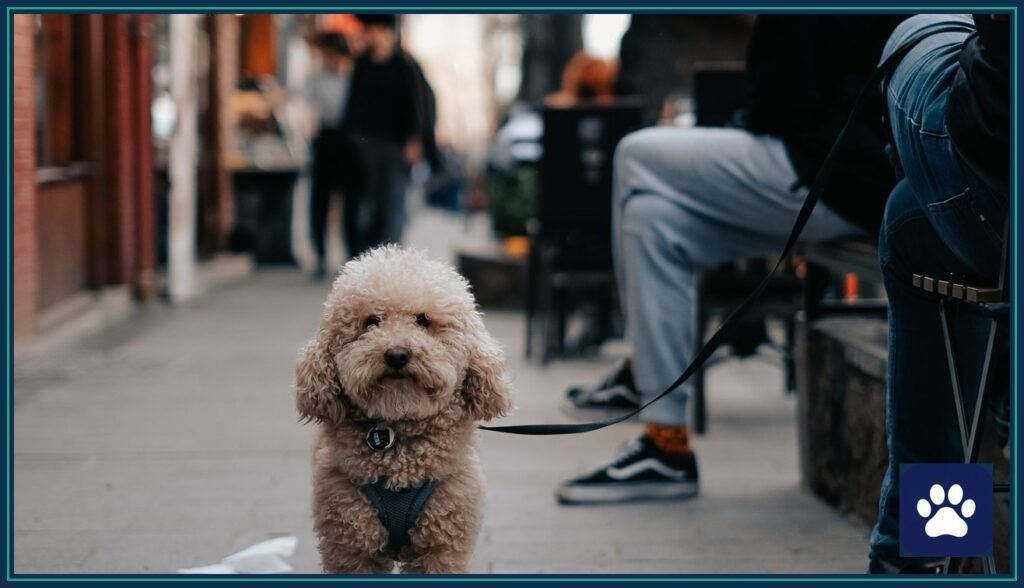
A dog named Happy was severely injured on October 6, 2026, when his leash was caught in the closing doors of a Phoenix light rail train and he was dragged hundreds of feet. The dog leash safety rule that matters most: keep the leash short and entirely in your hand, and never let it trail through closing doors — on trains, buses, or elevators.
What happened in Phoenix?
On October 6, 2026, a dog named Happy was riding the light rail in North Phoenix with his owner, wearing a body harness. As his owner tried to step off the train at a stop near Rose Mofford Park, she dropped an item — and the light rail doors shut on Happy’s leash, trapping it as the train began to move. Happy was dragged hundreds of feet along the track and started bleeding while his owner shouted for help. Witnesses pulled the emergency stop, but it took time before the train came to a halt.
FOX 10 Phoenix reported the story on October 11, 2026. Happy was treated by a veterinarian and is doing better; the station is awaiting a response from Valley Metro.
Why are closing doors so dangerous for a leashed dog?
Three things stack up to make this scenario uniquely dangerous for dog leash safety:
- Door sensors can miss a leash. Train and bus door sensors are designed to catch large obstructions — a person, a bag, a stroller. A thin leash cord or handle loop may not trigger them, so the doors close and the vehicle departs with the leash trapped.
- Dogs bolt at the worst moment. A dog that hops off the train a second before you, or one that startles at a noise on the platform, can put the whole leash through the door gap just as the doors close.
- Trains accelerate fast. By the time you register what’s happening and shout for help, the train is already moving — and a dragged dog can’t keep up with a departing train.
Retractable leashes make all of this worse: the thin cord is nearly invisible to door sensors, the long line drapes everywhere, and the locking mechanism can’t be trusted in a panic moment. For transit, they should stay home.
How can you keep your dog safe on trains and buses?
These dog leash safety habits take seconds and work on every transit system:
- Use a short, fixed-length leash — four to six feet — and gather the slack so no part of it dangles near the doors. A leash with a built-in traffic handle gives you a close-grip option in crowds.
- Board together, exit together. Keep your dog at your side and step through the doors as a unit — never let the dog hop off ahead of you while you’re still inside.
- Wait for the doors to fully open, gather your leash first, then move. The rush to beat the closing chime is exactly when leashes end up in the gap.
- Keep your dog seated or lying at your feet, away from the door edge, during the ride.
- Never tie the leash to a pole, seat, or stroller and let go of it. If the dog lunges, you want your hand — not a knot — on the leash.
- Use a carrier for small dogs whenever the system allows it. Michelson Found Animals recommends carriers plus a collar with ID tags and an up-to-date microchip for any pet riding public transportation.
- Practice a “wait” cue at doors before you ever need it. Solid door manners are part of broader leash training — our guide to off-leash rules, recall, and shared-space safety covers the training side.
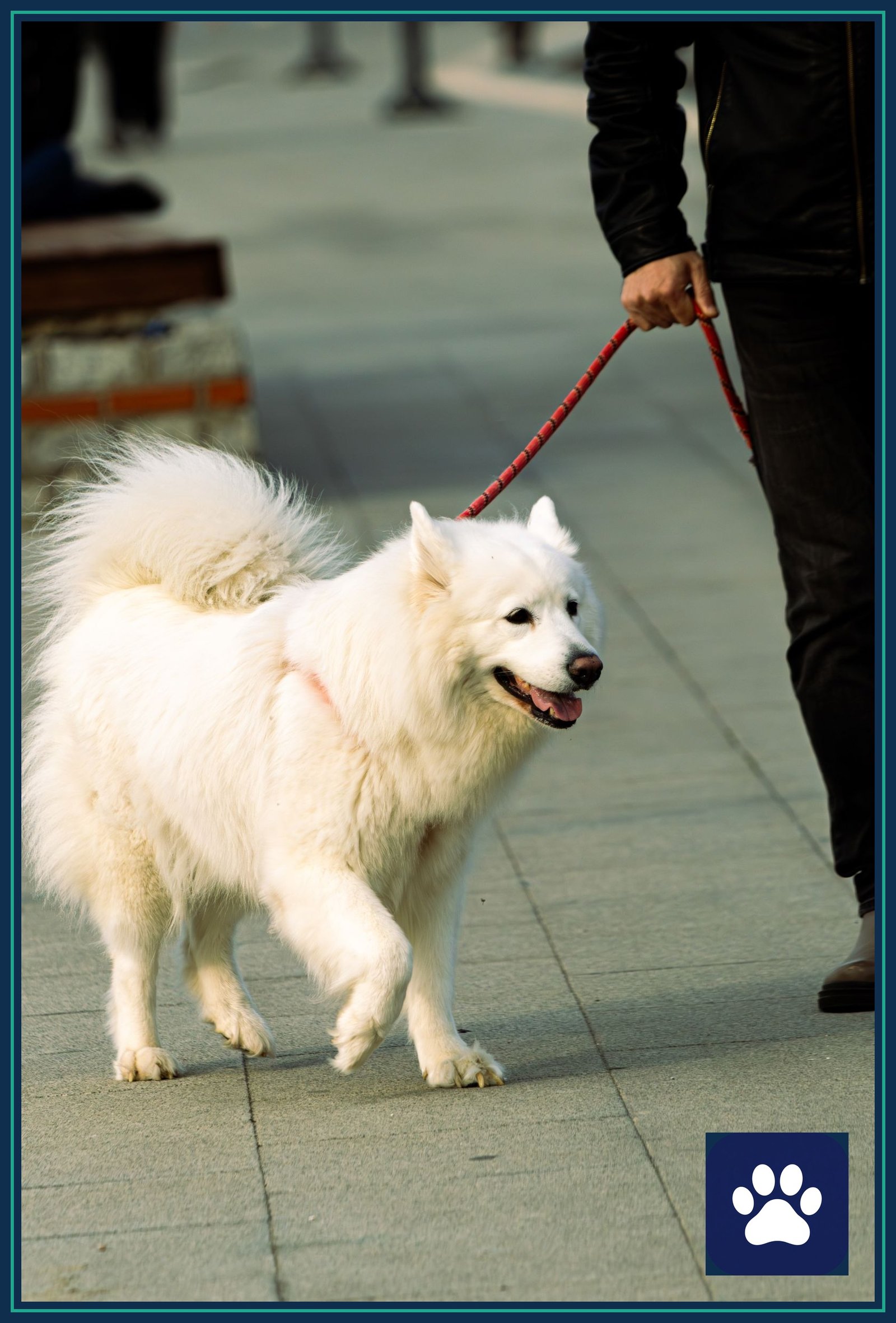
Keep your own cool too: dogs read your energy, and calm boarding means calm rides.
What about elevators and escalators?
Elevators carry the same leash door entrapment risk as trains — keep the leash short, step in and out together, and watch the leash, not just the dog, as the doors close. Escalators are a different story: a dog’s paws can be caught in the comb plates at the top and bottom of a moving escalator. Never let a dog ride an escalator standing up — carry small dogs, take the stairs, or use the elevator instead.
What should you do if a leash gets trapped?
- Act immediately: shout for the driver or conductor and hit the emergency stop button or pull the emergency cord. Seconds matter.
- Don’t force moving doors open or hold the train yourself — you can be pulled in with your dog.
- Get to a veterinarian promptly, even if your dog looks fine. Dogs can seem unhurt right after an accident while internal injuries are hidden — only a vet can rule that out.
- Report the incident to the transit agency, and keep the vet records. Documenting what happened helps push for better door-sensor awareness and platform safety.
Frequently asked questions
Can a leash really get caught in train doors without the driver noticing?
Yes — and the Phoenix incident shows the vehicle can start moving with the leash trapped. Door sensors are built to detect large obstructions, so a thin leash can be pinched without reopening the doors. The driver has no reason to suspect anything is wrong.
Are retractable leashes safe on public transit?
No — they’re one of the worst choices for transit. The thin cord drapes far from you, is nearly invisible to door sensors, and can wrap around poles, doors, or other passengers. Use a fixed-length leash of four to six feet with a traffic handle instead.
Should my dog wear a collar or a harness on the train?
A well-fitted harness spreads force across the chest if your dog lunges, while a collar concentrates it on the neck — so a harness is the safer choice for transit rides. But neither prevents door entrapment; that’s down to how you handle the leash.
Can dogs ride escalators safely?
No. A dog’s paws can get caught in the escalator’s comb plates at either end. Carry small dogs, take the stairs, or use the elevator — and in the elevator, keep the leash short and step through the doors together.
What should I do if my dog gets hurt on public transit?
Get your dog to a veterinarian as quickly as possible, even if they seem fine — some injuries aren’t visible right away. Then report the incident to the transit agency and keep copies of the vet records.
Calmer walks start with training that sticks
A dog that walks calmly on a loose leash is a safer transit companion. Take our free dog wellness planner quiz for a personalized routine, find your breed’s real exercise needs with the free exercise needs finder, and unlock the full PRO training plans with Pro Pet Pass — just $7/month.