
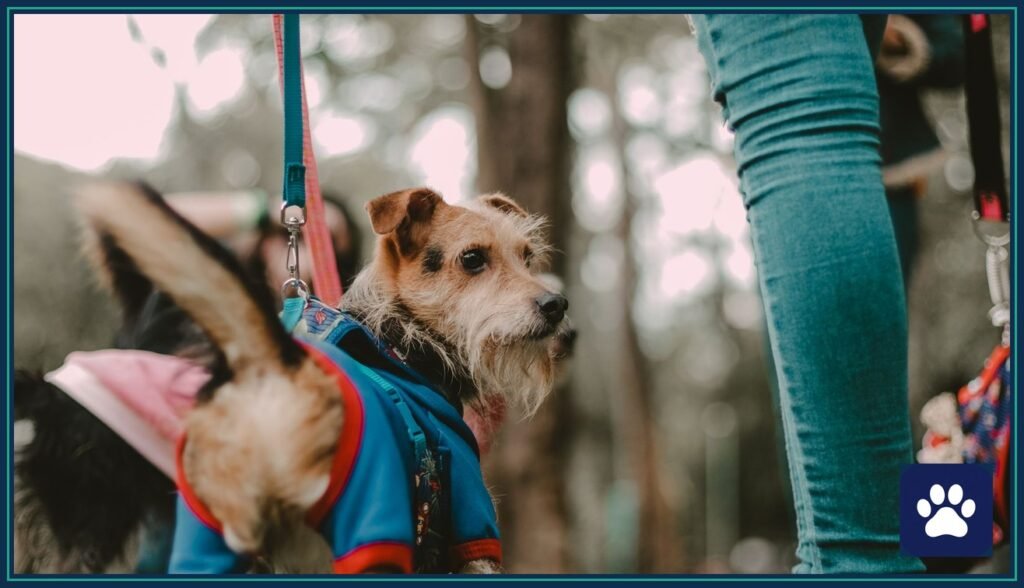
A family in Caldwell County, Texas, has spent nearly $9,000 on vet bills after a roaming pack of 15 to 25 dogs attacked their pets — one dog was killed, another left bloodied with severe bite wounds last week. When loose dogs come for your dog, you have seconds to react. Knowing what to do if a dog attacks your dog can mean the difference between a scare and a tragedy.
What happened in Caldwell County, Texas?
Robert Wilcox has lived on his property in Dale, Texas, for 40 years. Roaming packs long killed his sheep and goats — now they are coming for his pets. One dog was attacked twice and killed; last week the pack struck again, leaving another with severe bite wounds. FOX 7 Austin reported this week that the family has spent nearly $9,000 in vet bills while calls to the sheriff, animal control, and the fire department went nowhere. The county needs photographic evidence of the pack plus confirmation of ownership to act.
Why do loose dogs attack dogs on a leash?
Usually territory, frustration, or chase instinct. A loose dog defending its block sees your passing dog as an intruder — pack confidence makes it worse. Your leashed dog can’t greet or flee, which raises tension on both sides. Watch for stiff bodies, hard stares, and raised hackles; spot them early and calmly create distance. That is the easiest version of what to do if a dog attacks your dog.
What should you do the moment a loose dog charges?
- Don’t run. Running triggers a chase response. Stand your ground, face the dog, avoid direct eye contact.
- Shorten your leash and bring your dog to your side — a long line gives the other dog more target and tangles you both.
- Put yourself between the dogs with a firm, deep voice: “NO!”, “GO HOME!” Many loose dogs hesitate at a confident human wall.
- Don’t dangle a small dog. One fast scoop can work, but the charging dog may jump on you. Often safer: keep the small dog behind your legs while you block.
- Toss a distraction — treats, a water bottle, your bag — to buy a few seconds of redirected attention.
How do you break up a dog fight safely?
- Interrupt from a distance. Sudden loud noise, a bucket of water, or a hose can break their focus. A heavy jacket thrown over the attacking dog sometimes stops it outright.
- Put an object — not your hands — between them. Slide a backpack, an opened umbrella, or a trash can lid between the dogs to block their view.
- Each person lifts one dog’s hind legs near the hips like a wheelbarrow and walks backward in a slow circle so the dog can’t twist and bite. Keep moving until the dogs are far apart, then secure each behind a closed door or in a car.
Behaviorists call the wheelbarrow method one of the safest interventions because it keeps hands far from mouths — but a fighting dog can redirect a bite. Never grab collars or heads, never kick or hit, and never shriek — panicked screaming winds dogs up.
What should you do right after an attack?
- Check your dog head to tail. Punctures hide under fur — part the coat and look for bleeding or swelling, especially belly, armpits, and ears.
- See a vet the same day, even for minor bites. Teeth punch bacteria deep into tissue, and punctures seal over fast. The CDC notes nearly 1 in 5 people bitten by a dog requires medical attention — bites are serious for pets and people alike.
- Exchange info calmly if the other owner is present, and photograph both dogs and any injuries.
- Agree to nothing on the spot. Injuries may surface hours later.
How do you report a dangerous dog?
Call animal control with photos or video, dates and times, the location, the owner’s address if known, and your vet records. The Caldwell County case is the cautionary tale: officials said they could not act without photographic evidence and confirmation of ownership. Report every incident, follow up in writing, and get a case number. Our guide to off-leash rules and shared-space safety covers the leash laws where you walk.
How can you prevent the next attack?
- Carry a deterrent in hand: a pop-open umbrella, citronella spray, or a walking stick.
- Learn the pre-attack signs — stiff body, hard stare, raised hackles — and cross the street early.
- Change your route or timing if loose dogs roam a block.
- Keep the leash short and gathered in risky areas — see our dog leash safety guide.
- Train a rock-solid recall and “leave it” — owners who have rehearsed what to do if a dog attacks your dog respond in seconds instead of freezing.
Frequently asked questions
Should I pick up my small dog when a bigger dog charges?
Only with one fast scoop before contact — and expect the charging dog to jump on you. Dangling a small dog at face height usually makes things worse; stepping between the dogs and keeping yours behind your legs is usually safer.
Can I use pepper spray or citronella spray on an attacking dog?
Citronella spray is widely recommended by trainers: it startles without lasting harm. Pepper spray also stops most dogs but can blow back, and local rules vary — check your ordinances. Sprays are an emergency tool, never a training method.
Will my dog be traumatized after an attack?
Some dogs shake it off; others turn fearful or reactive for weeks. Give yours time and rebuild confidence with calm, treat-heavy walks. Our free Dog Behavior Plan Generator can structure a recovery plan.
The other owner refuses responsibility. What now?
Document everything: photos, vet bills, dates, witnesses. File with animal control and keep the case number — owners are often liable for vet costs their dog caused, and a paper trail makes that enforceable.
My dog seems fine. Do we still need the vet?
Yes — same day. Punctures can be nearly invisible under fur and seal over within hours, trapping bacteria that becomes an abscess. When in doubt, call your vet.
A safer dog starts with calmer training
Dogs that disengage on cue and walk calmly on a loose leash are simply safer to own. Build a plan with our free Dog Behavior Plan Generator, get a whole-dog routine from the free wellness planner quiz, and unlock full 30-day PRO plans with Pro Pet Pass — just $7/month.