
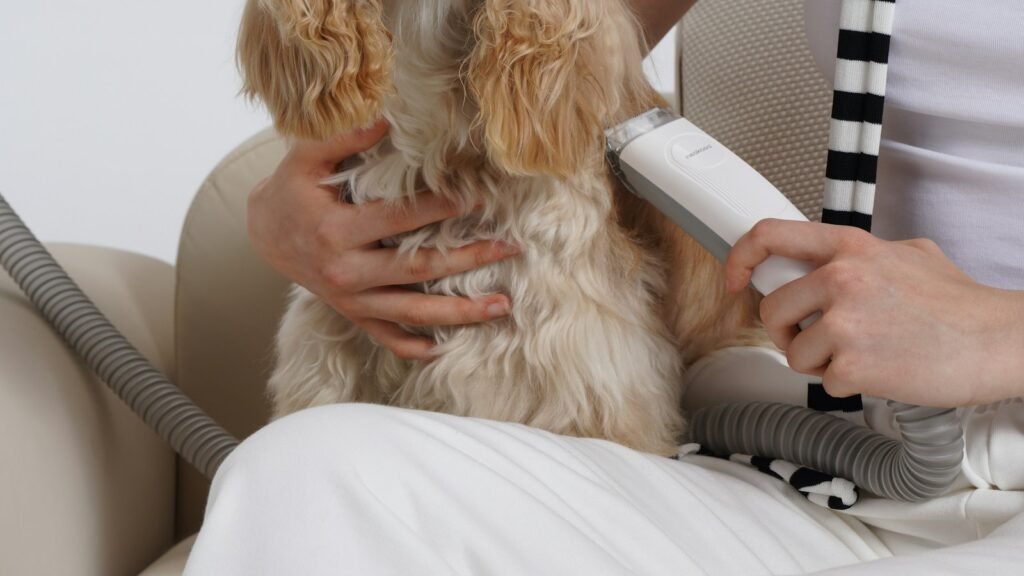
If your dog’s hair is on your clothes, your couch, and somehow in your coffee, you’re not alone. All dogs shed to some degree — it’s normal and healthy. But you can dramatically cut how much hair ends up around your home. Here’s how.
Quick answer: You can’t stop a healthy dog from shedding entirely, but you can reduce it a lot: brush regularly (daily during shedding season), feed a quality diet with omega-3s, bathe occasionally with the right shampoo, and keep your dog hydrated. A sudden increase in shedding, bald patches, or itchy skin means it’s time to see the vet.
Why Dogs Shed
Shedding is how dogs get rid of old or damaged hair. How much depends on:
- Breed and coat type. Double-coated breeds (Huskies, Labs, German Shepherds) shed heavily, especially seasonally. Some breeds shed very little.
- Season. Many dogs “blow their coat” in spring and fall, shedding far more for a few weeks.
- Health and diet. Poor nutrition, stress, allergies, or skin conditions can all increase shedding.
Normal shedding is even and healthy-looking. Excessive shedding with bald spots, redness, or itching is different — that’s a vet visit, not a grooming problem.
What You’ll Need
- A brush suited to your dog’s coat (a de-shedding tool for double coats)
- Dog-safe shampoo
- A quality diet, ideally with omega-3 fatty acids
- A few minutes a day
The Step-by-Step Plan
Step 1: Brush Regularly — This Is the Big One
Brushing is by far the most effective way to reduce shedding. It removes loose hair before it lands on your floor and spreads the coat’s natural oils, keeping skin healthy.
- Normal periods: 2–3 times a week for most coats.
- Shedding season: daily, ideally outdoors.
- Double coats: use a de-shedding tool that reaches the loose undercoat where most shed hair hides.
Step 2: Choose the Right Brush
The tool matters:
- Short coats: a rubber curry brush or bristle brush.
- Long or double coats: a de-shedding tool plus a slicker brush.
- Curly/non-shedding coats: regular brushing to prevent mats (these dogs need trimming more than de-shedding).
Helpful tool: For double-coated dogs, a good de-shedding brush reaches the undercoat and can cut loose hair around the house dramatically.
Step 3: Feed for a Healthy Coat
Skin and coat health starts from the inside. A quality diet with adequate protein and omega-3 fatty acids (found in fish oil) supports a strong, less-shed-prone coat. If you’re unsure whether your dog’s food is doing the job, ask your vet about a supplement.
Step 4: Bathe — But Not Too Often
Occasional baths with a dog-safe shampoo loosen and remove dead hair. A de-shedding shampoo can help during heavy sheds. But don’t over-bathe — too-frequent washing strips natural oils and can worsen skin and coat problems. For most dogs, once a month or so is plenty.
Step 5: Keep Your Dog Hydrated and Healthy
Dehydration and poor overall health show up in the coat. Make sure fresh water is always available, keep up with parasite prevention, and manage any allergies with your vet — all of these affect how much your dog sheds.
Common Mistakes
- Not brushing enough. This is the #1 fixable cause of excess hair around the home.
- Wrong brush for the coat. A bristle brush won’t reach a Husky’s undercoat.
- Over-bathing. Strips oils and can increase shedding and irritation.
- Ignoring diet. A poor-quality diet shows up as a dull, heavy-shedding coat.
- Missing warning signs. Bald patches, itching, or sudden heavy shedding need a vet, not just a brush.
When to See the Vet
Book a vet visit if you notice bald patches, red or irritated skin, constant scratching, a dull or brittle coat, or a sudden dramatic increase in shedding. These can signal allergies, parasites, or a medical condition that grooming alone won’t fix.
Frequently Asked Questions
Can I stop my dog from shedding completely? No — shedding is normal and healthy. But regular brushing, good nutrition, and proper bathing can greatly reduce how much hair ends up around your home.
How often should I brush a heavy-shedding dog? Two to three times a week normally, and daily during seasonal “coat blows.” Double-coated breeds benefit most from a de-shedding tool.
Does diet really affect shedding? Yes. A quality diet with omega-3 fatty acids supports healthier skin and a stronger coat, which sheds less than a poorly nourished one.
Is it normal for shedding to increase in spring and fall? Very. Many dogs shed heavily for a few weeks as seasons change. Extra brushing during these periods keeps it manageable.
Keep Going
A little routine goes a long way — and your vacuum will thank you.
→ Join the free BlueTarg newsletter for one practical dog tip a week.
BlueTarg guides are free and reader-supported. Some links are affiliate links; we only recommend products we’d use with our own dogs. This article is general information and not a substitute for professional veterinary advice.