
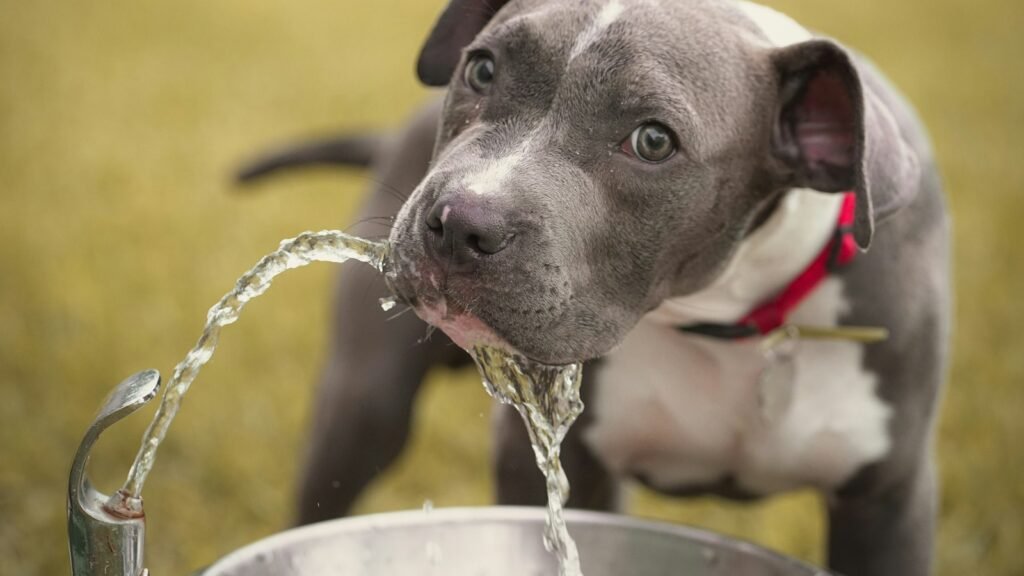
To keep your dog safe in hot weather, never leave them in a parked car, walk in the early morning or evening, test the pavement with the back of your hand, and make sure shade and fresh water are always available. Learn the signs of heatstroke: frantic panting, heavy drooling, dark red or pale gums, stumbling and collapse. If you see them, start cooling your dog with cool (not ice-cold) water and get to a vet right away.
Dogs cool themselves mostly by panting, which works far less well than sweating. That is why a hot afternoon that feels merely uncomfortable to you can become dangerous for your dog in minutes.
Which dogs are most at risk
- Flat-faced breeds such as Bulldogs, Pugs, French Bulldogs and Boxers, whose airways make panting less effective
- Puppies, seniors and overweight dogs
- Dogs with thick or dark coats
- Dogs with heart or breathing conditions
- Any dog exercising hard in heat and humidity
Six hot-weather rules
1. No parked cars, not even for a minute
A car interior heats quickly even with the windows cracked and the car in shade. There is no safe “quick errand.” If your dog can’t come into the shop with you, leave them at home.
2. Test the pavement
Press the back of your hand to the asphalt for seven seconds. If you can’t hold it there comfortably, it’s too hot for paw pads. Walk on grass or wait until it cools down.
3. Move walks to cooler hours
Early morning and late evening are safest. On hot, humid days, swap the long walk for a short sniff around the block and an indoor puzzle toy.
4. Shade and water, always
Outdoors, your dog needs shade that moves with the sun and a bowl that can’t tip over. Carry water on outings. On extreme days, the safest place is inside with air conditioning.
5. You set the limit
Many dogs will chase a ball until they collapse. Cut games short on hot days and stop at the first sign of heavy panting.
6. Help them cool down
A shallow paddling pool, a damp towel to lie on, a fan, or frozen treats all help. If you use a gel cooling mat, supervise chewers: some gels can be harmful if eaten, as our post on hydrogel cooling mats explains.
Signs of heatstroke
- Heavy, frantic panting that doesn’t settle with rest
- Thick drool
- Bright red, purple or pale gums
- Weakness, stumbling, or collapse
- Vomiting or diarrhea
- Confusion or unresponsiveness
What to do if you suspect heatstroke
- Move your dog into shade or air conditioning.
- Pour or sponge cool, not ice-cold, water over the body, and put a fan on them if you can. Skip ice water: very cold water can constrict blood vessels in the skin and slow cooling.
- Offer small sips of water, but don’t force it.
- Call the vet and go now, cooling on the way. Heatstroke can damage organs even in a dog who seems to recover, so a vet check matters.
When to call your vet
Any of the heatstroke signs above means going in immediately. Also call if your dog has burned or blistered paw pads, seems unusually tired after heat exposure, or vomits after a hot day out.
Frequently asked questions
How hot is too hot to walk my dog? It depends on breed, age, fitness and humidity. Use the seven-second pavement test, favor early or late walks, and keep outings short on hot, humid days.
Can I leave my dog in the car with the windows cracked? No. Cracked windows make little difference to how fast a car heats up.
Do dogs need sunscreen? Dogs with thin or white coats and pink noses can burn. The ASPCA advises using only sunscreen labeled for use on animals, so ask your vet for one.
Traveling somewhere hot? Our car travel safety guide covers restraints, breaks and what to pack.
Sources: VCA Animal Hospitals, “Heat Stroke in Dogs”; AKC, “Heat Stroke in Dogs”; ASPCA, “Hot Weather Safety Tips”. Heatstroke is an emergency. This is general information, not a substitute for advice from your vet.
If your dog has eaten something they shouldn’t
Check the risk in under a minute. Enter the substance, roughly how much, and your dog’s weight, and you’ll get a risk level based on published veterinary thresholds plus the exact next step.