
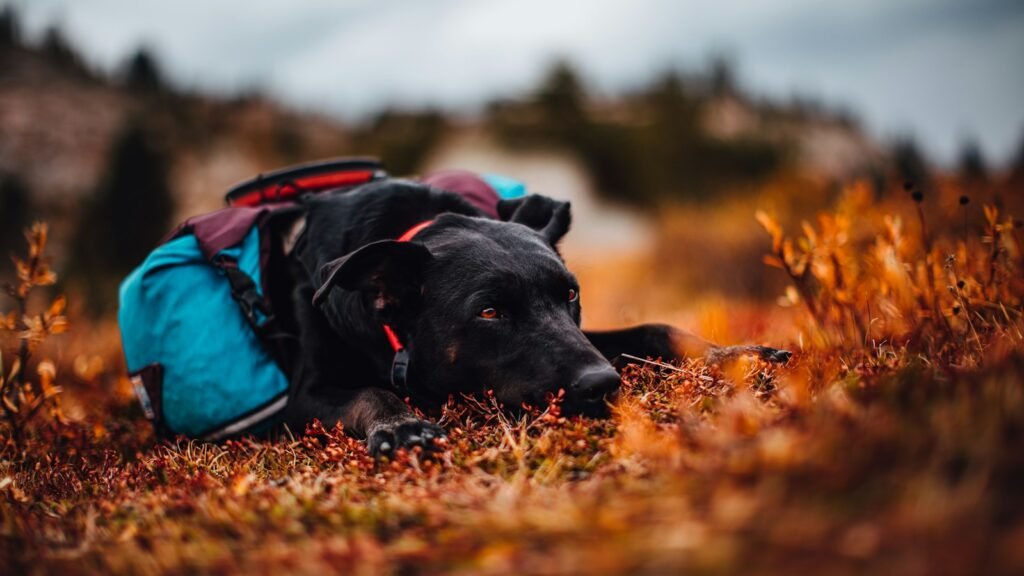
A dog emergency go-bag is useful only when it is current, easy to grab, and matched to your dog. Store it near an exit and review it several times a year.
Identification and records
Include a recent photo, microchip details, medication list, vaccine information, veterinary contact numbers, pet-insurance details, and a short summary of important medical conditions. Related: See the emergency information checklist for the full rundown.
Safe transport supplies
Pack a secure leash, properly fitted harness, waste bags, towel, blanket, collapsible bowl, bottled water, phone charger, and flashlight. Include a muzzle only if your dog is already comfortable wearing it.
Medication and food
Ask your veterinarian how to store any essential medicine. Rotate medicine and food before expiration. Never give a dog human medicine unless a veterinarian specifically directs you.
Know where you will go
Save the nearest emergency clinic in your phone and write it on paper. Call ahead when possible so the clinic can give transport instructions and prepare for arrival.
Review every season
Replace expired supplies, update records and phone numbers, and confirm that the harness still fits.
Urgent safety note
Contact an emergency veterinarian immediately for breathing difficulty, collapse, uncontrolled bleeding, a prolonged seizure, severe injury, suspected poisoning, a swollen painful abdomen, or inability to urinate.
Download the BlueTarg Dog Emergency-Ready Guide for a printable contact sheet, go-bag checklist, urgent warning signs, poison notes, and veterinary visit worksheet:
https://bluetarg.com/product/dog-emergency-ready-guide/
Two bags, not one
The mistake most people make is building a single bag for two different emergencies. They need different things.
- The vet run. Grabbed on the way out of the door for an injury or sudden illness. Needs records, lead, a towel, a carrier for small dogs, and your phone charger for the wait.
- The evacuation. Fire, flood, storm, or anything where you may not come home for days. Needs everything above plus several days of food, water, medication and somewhere to sleep.
If you only build one, build the vet run bag — it is the one you are overwhelmingly more likely to need.
How much food and water to pack
For an evacuation bag, the standard advice is three days minimum, five is better. Pack your dog’s normal food — an emergency is the worst possible time to change diet, and a sudden switch causes diarrhoea in a dog who is already stressed.
Water needs are roughly 50 to 60 ml per kilogram per day, so a 20 kg dog drinks about a litre a day in normal conditions, more in heat or stress. Rotate the bottles every six months.
What people forget
- A spare lead and a slip lead. Collars fail and frightened dogs back out of harnesses. A slip lead cannot be escaped.
- Proof the dog is yours. Photos of you together, plus the microchip and licence paperwork. Shelters ask.
- Something that smells of home. An unwashed t-shirt does more for a stressed dog than any toy.
- Cash. Card systems fail in exactly the situations that cause evacuations.
- A muzzle your dog already accepts. Pain makes normally gentle dogs bite, and vets may need one. Introducing a muzzle for the first time during an emergency is unfair and usually fails.
Where to go, worked out in advance
Many emergency shelters do not accept pets. Work out now, while nothing is happening:
- Your nearest 24-hour emergency vet, and the one after that
- Two pet-friendly hotels or motels outside your immediate area
- A friend or relative far enough away to be unaffected by the same event
- Whether your usual boarding kennel takes emergency intakes
Write these on paper and put them in the bag. Phones die, and mobile networks are unreliable in exactly the circumstances you would need them.
Review it twice a year
Set a recurring reminder. Check medication and food expiry dates, confirm the photo still looks like your dog, update the weight on the records sheet, and make sure the lead and harness still fit. A bag assembled two years ago for a puppy is not a bag for the adult dog you have now.
The paperwork half, done for you
Our free generator builds the records page for your go-bag — dog details, medication, vet and emergency contacts, and the routine — on one printable sheet.
If your dog has eaten something they shouldn’t
Check the risk in under a minute. Enter the substance, roughly how much, and your dog’s weight, and you’ll get a risk level based on published veterinary thresholds plus the exact next step.