
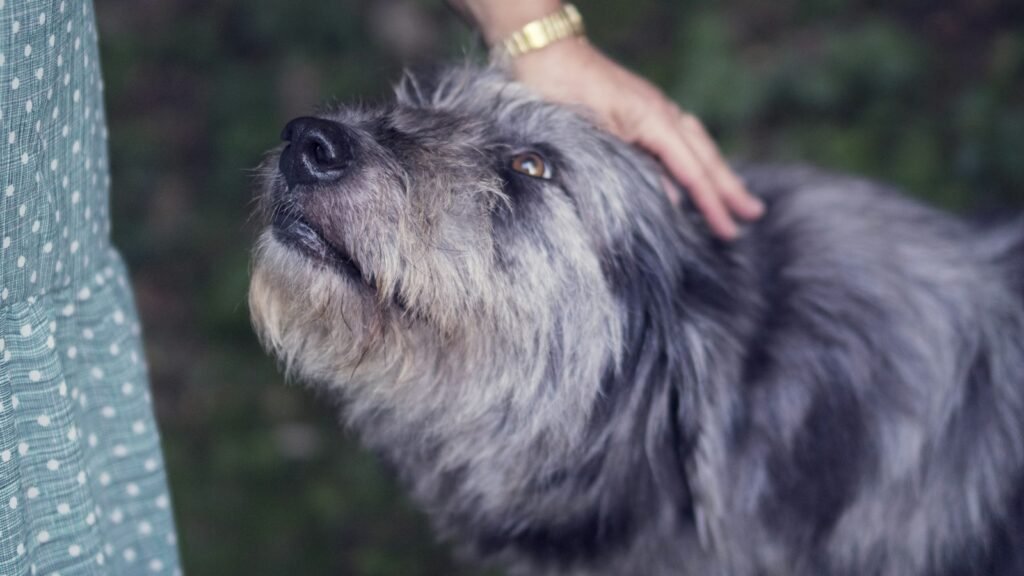
Dogs can’t tell us when something’s wrong — so it’s up to us to notice. Most serious health problems give early signals, and catching them early often means an easier, cheaper fix and a better outcome. This guide covers the warning signs worth knowing and when to call your vet.
Quick answer: Watch for changes in appetite, energy, drinking, bathroom habits, weight, breathing, and behavior. Sudden or severe changes — repeated vomiting, difficulty breathing, collapse, a swollen hard belly, inability to urinate, or suspected poisoning — are emergencies. When in doubt, call your vet; it’s always better to check.
Why Early Signs Matter
Dogs instinctively hide illness — a survival trait from their ancestors. By the time a dog “looks sick,” they may have felt unwell for a while. Knowing the subtle early signals helps you act before a small problem becomes a big one.
The most reliable warning sign of all is simple: you know your dog. Any noticeable change from their normal is worth paying attention to.
10 Warning Signs to Watch For
1. Changes in Appetite
Eating much less (or refusing food) for more than a day, or a sudden big increase in hunger, can both signal problems. A single skipped meal isn’t alarming; a pattern is.
2. Increased Thirst or Urination
Drinking noticeably more and needing to pee more can point to conditions like diabetes or kidney issues. It’s an easy change to miss — keep a rough sense of normal.
3. Low Energy or Lethargy
A dog who’s suddenly sleeping more, reluctant to walk or play, or seems “flat” may be unwell. Ongoing lethargy deserves a vet call.
4. Vomiting or Diarrhea
Occasional mild tummy upset happens. But repeated vomiting, blood, diarrhea lasting more than a day, or signs of pain need veterinary attention — dogs can dehydrate quickly.
5. Weight Changes
Unexplained weight loss or gain — without a diet change — can signal an underlying issue. Do the “feel the ribs” check regularly so you notice drift early.
6. Coughing, Wheezing, or Labored Breathing
Any difficulty breathing is serious and can be an emergency. Persistent coughing also warrants a check.
7. Changes in Bathroom Habits
Straining to urinate, inability to pass urine (an emergency, especially in males), blood in urine or stool, or sudden accidents in a house-trained dog all need attention.
8. Lumps, Bumps, or Swelling
Not every lump is dangerous, but new or growing lumps should be examined. A swollen, hard, painful belly is an emergency.
9. Excessive Scratching, Licking, or Skin Changes
Constant itching, hair loss, redness, or sores can mean allergies, parasites, or infection.
10. Behavior Changes
Sudden aggression, hiding, confusion, restlessness, or clinginess can all be signs of pain or illness — behavior changes are easy to dismiss but genuinely important.
Emergency Signs — Go to the Vet Immediately
Don’t wait if you see:
- Difficulty breathing or choking
- Collapse, seizures, or unconsciousness
- A swollen, hard belly (especially with retching) — this can be a life-threatening bloat
- Inability to urinate
- Suspected poisoning (chocolate, xylitol, grapes, medications, etc.)
- Severe bleeding or major injury
- Repeated vomiting with pain or weakness
Keep your vet’s number and a local emergency vet’s number somewhere easy to find.
Everyday Wellness Habits That Prevent Problems
- Regular vet checkups — yearly for adults, more often for seniors.
- Keep up with parasite prevention — fleas, ticks, and worms.
- Maintain a healthy weight — one of the biggest factors in a long, healthy life.
- Dental care — dental disease is common and affects overall health.
- Know your dog’s normal — appetite, energy, and habits, so changes stand out.
Frequently Asked Questions
When should I take my dog to the vet vs. wait? Mild, brief symptoms (one soft stool, skipping one meal) can often be watched for a day. Severe, worsening, or emergency signs — trouble breathing, collapse, repeated vomiting, suspected poisoning — mean go now. When unsure, call your vet for advice.
My dog is drinking a lot more water — should I worry? A noticeable, lasting increase in thirst can signal conditions worth checking, like diabetes or kidney issues. Mention it to your vet.
Are lumps always serious? No — many are harmless, but new or growing lumps should be examined so your vet can tell the difference.
How often should a healthy dog see the vet? At least once a year for adult dogs, and twice a year for seniors, plus any time you notice a concerning change.
Keep Going
You don’t need to be a vet — just an observant owner. Knowing your dog’s normal is your best early-warning system.
→ Join the free BlueTarg newsletter for one practical dog tip a week.
BlueTarg guides are free and reader-supported. This article is general information and is NOT a substitute for professional veterinary advice, diagnosis, or treatment. If you are worried about your dog’s health, contact your veterinarian.
If your dog has eaten something they shouldn’t
Check the risk in under a minute. Enter the substance, roughly how much, and your dog’s weight, and you’ll get a risk level based on published veterinary thresholds plus the exact next step.