
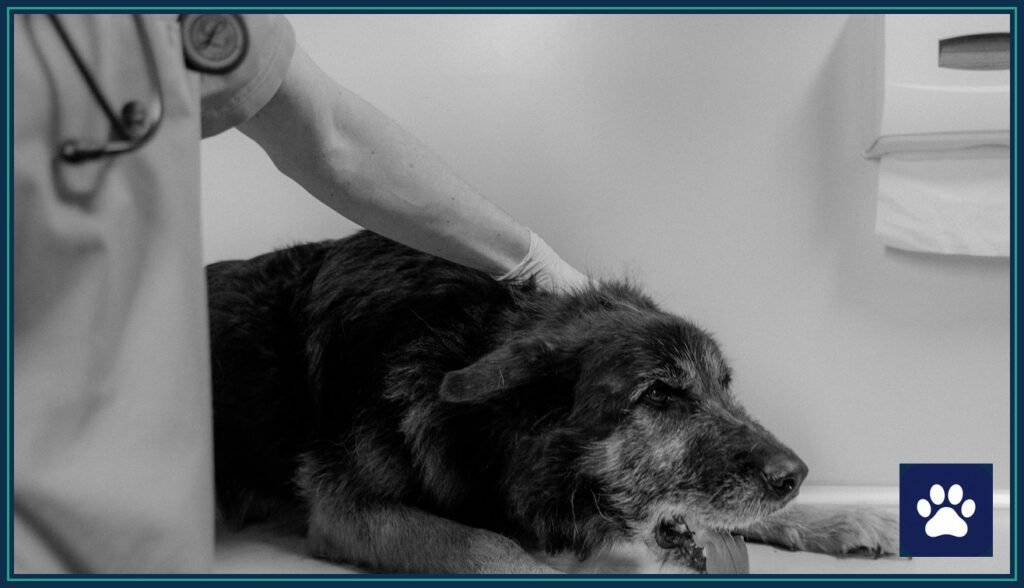
If your new rescue dog has intestinal parasites, don’t panic — it’s one of the most common hiccups in newly adopted dogs. Kelly Ripa and Mark Consuelos’ newly adopted pup is being treated for a parasite before coming home, expected “any day now.” A fecal test and a vet-prescribed deworming course usually clear it within weeks.
Quick definition: Intestinal parasites in dogs are organisms that live and feed inside a dog’s digestive tract — most commonly roundworms, hookworms, whipworms, tapeworms, and single-celled parasites like giardia and coccidia. Puppies and recently sheltered dogs are the most likely to carry them, and most cases clear up fully with veterinary treatment.
What happened with Kelly Ripa and Mark Consuelos’ new rescue dog?
The couple adopted their new pup from the rescue organization Pet ResQ Inc. during their show’s Adopt a Dog Week — they announced the adoption on the October 13, 2026 episode of Live with Kelly and Mark. In a PEOPLE exclusive published October 19, 2026, they revealed that the pup — whose name may or may not be Javi — is undergoing treatment for a parasite before joining their New York City home. “A parasite,” Consuelos said. “So they’re treating it and then he’s going to come.”
Their story is familiar to adopters everywhere: screening comes before the homecoming. Here’s what it usually involves.
Which intestinal parasites are most common in newly adopted dogs?
Shelter and rescue dogs often arrive with intestinal parasites in dogs — crowded living conditions, unknown histories, and young age make infections likely. The usual suspects:
- Roundworms — the most common, especially in puppies. They spread from mother to pup before birth or through nursing, and through worm eggs in contaminated soil or feces, per the CDC.
- Hookworms — attach to the intestinal wall and feed on blood. Young puppies are most vulnerable; dogs pick them up from contaminated soil or feces.
- Whipworms — live in the large intestine and often cause chronic, bloody diarrhea.
- Tapeworms — spread through fleas; look for tiny rice-like segments near your dog’s rear.
- Giardia and coccidia — single-celled parasites common in shelter environments, often causing watery or mucus-y diarrhea.
Many infected dogs show no symptoms at all, which is why vets test even healthy-looking new arrivals. The CDC’s guide for pet owners notes that most pets show no signs, though some vomit, eat less, or lose weight.
What are the symptoms of intestinal parasites in dogs?
Watch for these signs in the first weeks after adoption:
- Diarrhea — sometimes with mucus or blood
- Vomiting (you may occasionally see worms in vomit)
- Weight loss despite a normal or increased appetite
- A bloated, pot-bellied look (especially in puppies)
- Lethargy or a dull, rough coat
- Scooting or licking around the rear end
- Visible worms or rice-like segments in stool
These symptoms overlap with many other conditions, so don’t diagnose at home — a vet visit confirms it. New to your dog’s first vet trip? Budget it with our free Vet Cost Estimator.
How do vets test for and treat parasites in dogs?
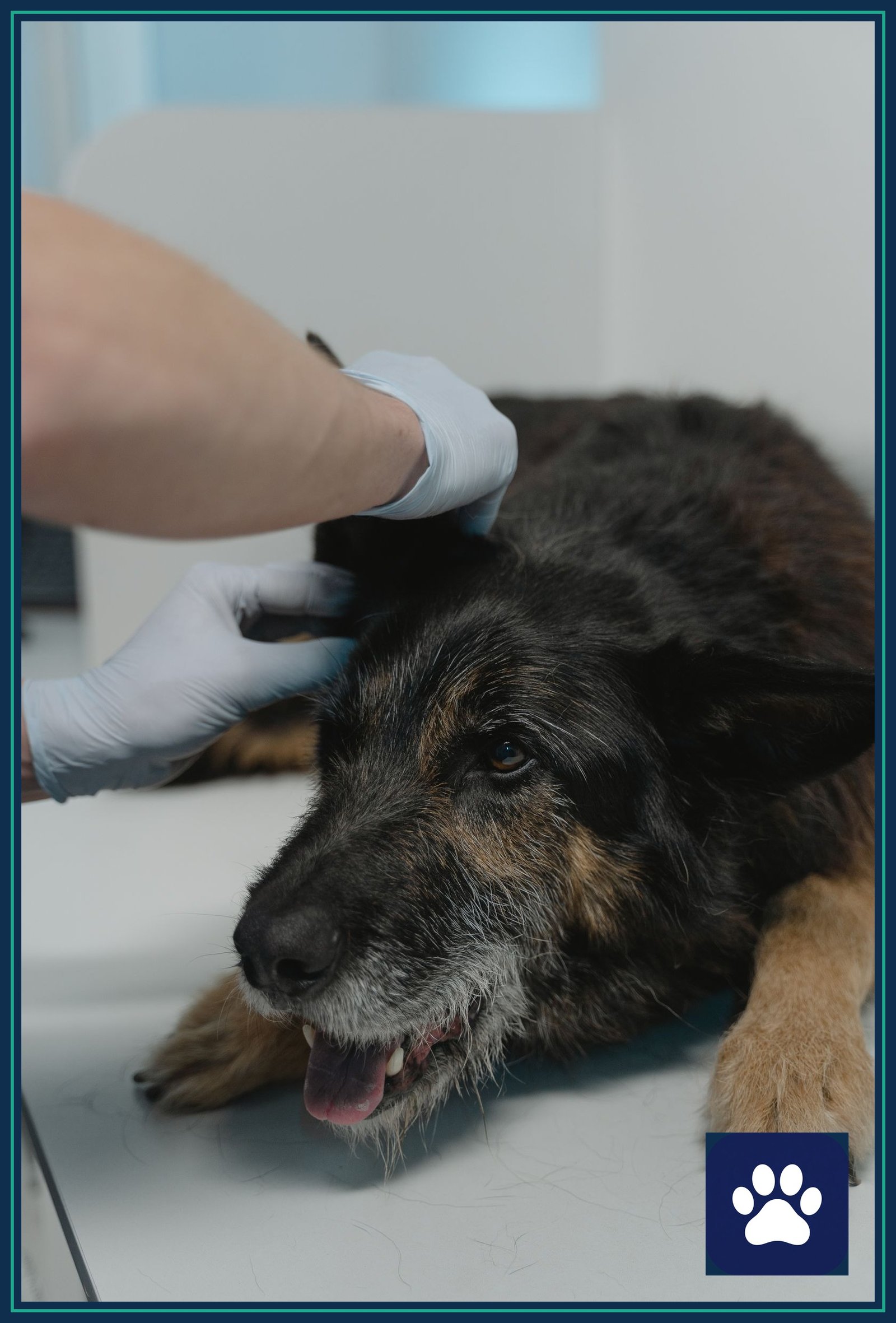
Testing is straightforward: your vet runs a fecal exam, looking for worm eggs or larvae under a microscope. Some clinics also use in-house antigen tests for giardia. Bring a fresh stool sample to the appointment — the rescue can usually tell you what to collect.
Treatment depends on the parasite but typically means a prescription deworming medication matched to the specific parasite, a second round 2–4 weeks later to catch worms that were immature during the first dose, and a follow-up fecal test to confirm they’re gone.
Most intestinal parasites in dogs clear fully with this routine. Never self-dose with over-the-counter dewormers without veterinary guidance — the wrong product for the wrong parasite wastes time while the infection continues. If you want to know what to expect at the vet beyond parasites, take our free puppy plan quiz for a personalized care preview.
Can dog parasites spread to other pets or people?
Yes, some can — which is exactly why a new rescue is often kept somewhat separate until cleared. Roundworms and hookworms are zoonotic, meaning they can infect people, usually through soil or feces contaminated with eggs or larvae, according to the CDC. They can also spread to resident dogs sharing a yard.
Sensible precautions during treatment:
- Pick up your new dog’s stool promptly
- Wash hands after handling the dog or cleaning up
- Keep kids away from areas with dog feces
- Ask your vet whether resident pets need a fecal test too
When can your new rescue dog come home?
Often treatment starts while the dog is still with the rescue or foster — exactly what Ripa and Consuelos are experiencing — and your vet decides when full integration with the household is safe.
5 questions to ask the shelter or rescue before adoption day
- Has the dog had a fecal test, and what did it show? Ask for the results in writing.
- What deworming has the dog already received, and when? Avoid doubling up on doses.
- Is there a follow-up vet visit already scheduled? Many rescues recommend a checkup within 48–72 hours of adoption.
- Are there any quarantine or separation instructions? Useful if you have other pets at home.
- Which vet does the rescue recommend for a first visit? Their vets see these cases daily.
Adopting right after losing a dog? Read our guide on when you’re ready for a new dog — it’s the same journey Ripa and Consuelos took, about 20 months after losing their Shih Tzu Chewie.
FAQ
Are parasites in a newly adopted dog a sign of a bad rescue?
Not at all. Even excellent rescues see parasites regularly — dogs arrive from the street, from other shelters, or from litters born to infected mothers. What matters is that the rescue tests, discloses, and treats, which is the standard of care.
How long does it take to clear intestinal parasites in dogs?
Most cases resolve within a few weeks of starting vet-prescribed treatment, often with a second dose 2–4 weeks later. A follow-up fecal test confirms the parasites are gone. Your vet will advise on the exact timeline for your dog.
Can I bring my new dog home while it’s being treated for parasites?
Sometimes, yes — your vet decides based on the parasite and your household. Dogs in treatment can often come home with sensible hygiene (prompt stool pickup, handwashing, and keeping them separate from other pets until cleared). Ask your vet for the all-clear on timing.
Will my other dog get parasites from the new dog?
It’s possible, since intestinal parasites in dogs spread through shared environments and feces. Ask your vet whether your resident pets should be tested or dewormed, and keep the dogs’ potty areas separate until the new dog’s follow-up test comes back clear.
Do intestinal parasites in dogs go away on their own?
No — dogs don’t reliably clear these infections without treatment, and some parasites get worse over time. A simple fecal test and the right dewormer from your vet is the safe path. Never wait it out or self-treat without veterinary guidance.
🐾 New pup at home? Start smart
Plan your new dog’s first week with our free Dog Wellness Planner, budget the first vet visit with the Vet Cost Estimator, and preview a personalized care plan with the free puppy quiz. Want the pro versions plus new guides weekly? Pro Pet Pass is $7/month. Welcome home! 🐶
Sources: PEOPLE (exclusive, Oct 19, 2026 — couple spoke Oct 18, 2026); CDC — What Every Pet Owner Should Know About Roundworms & Hookworms; Oakdale Veterinary Group — deworming protocol. This article is informational only; consult your veterinarian for diagnosis and treatment.