
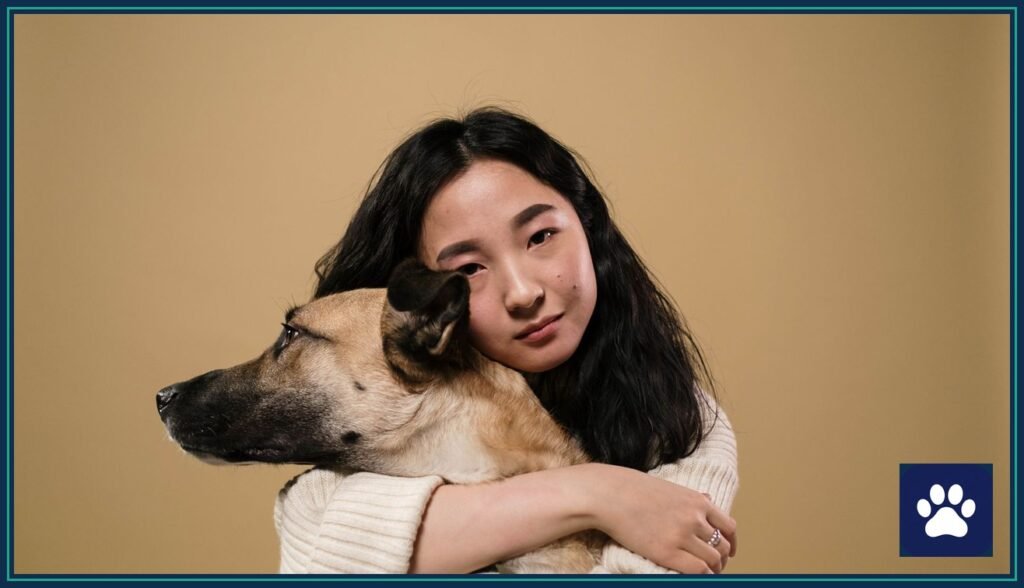
On October 13, Kelly Ripa and Mark Consuelos announced they had adopted rescue dog Javi, about 20 months after losing their Shih Tzu Chewie — and that same day, Priscilla Presley introduced her new 10-year-old senior rescue, Toby. If you’re asking when to get a new dog after one dies, their stories hold a useful lesson: there is no magic timeline, but there are real signs of readiness.
What this week’s celebrity adoptions teach grieving owners
The Consuelos family met Javi — then called Lucas — during their show’s Adopt a Dog Week and adopted him the next day from Pet Rescue NY. The timing matters more than the speed: Chewie died in February 2025, and Ripa had said they were “still not over the loss” when they first considered a sibling for their other dog, Lena. Presley, 81, went a different way: a neglected 10-year-old street rescue. Two adoptions, one day — the decision belongs to the person doing the grieving.
Is there a “right” amount of time to wait?
No. Pet-loss counselors describe grief as a process, not a countdown: some owners feel ready in months, others need two years or more. The better question isn’t how long you wait, but why you want a new dog now. If the urge is mostly about filling an unbearable silence, give yourself more time. If it’s because you genuinely enjoy the rhythm of caring for a dog and have energy to give, you’re closer than you think.
How do you know you’re ready for a new dog? 7 signs
- You can remember your dog without falling apart. Sadness may never leave — Ripa says she’ll mourn Chewie “for the rest of my life” — but readiness means memories arrive with warmth at least sometimes, not only pain.
- You want a dog, not that dog back. If you’re shopping only for a look-alike, pause. Being open to a different dog is a green flag.
- You’re not adopting to fix someone else’s grief. Kids, partners, and surviving pets grieve on their own clocks. The decision works best when you’re genuinely ready yourself.
- Your life has room again. Feeding, walks, training, vet visits — a dog needs real hours. If life can hold those again, that’s practical readiness.
- You can handle the money side. Emergency vet bills can run thousands. Affording care without dread is part of being ready.
- You’re curious, not just lonely. Browsing adoption pages with interest, feeling a tug at the park — curiosity about a new relationship is one of the healthiest signs.
- You could wait for the right one. Ready owners don’t need the dog today. They can wait for the right match and let the new dog finish medical tests first — exactly what the Consuelos family is doing with Javi.
If most of these feel true, you’re probably ready. If most don’t, you’re probably not — and that’s fine.
Is it disloyal to get a new dog after your dog dies?
No — and the guilt is one of the most common parts of pet grief. Loving a new dog doesn’t subtract from the love you had for the one you lost. If grief is overwhelming your days for weeks, please talk to someone: the ASPCA Pet Loss Hotline (877-474-3310) connects grieving owners with trained counselors.
What if you still have another dog at home?
The surviving dog grieves too — appetite changes, listlessness, clinginess are common. Introduce gradually on neutral ground, keep routines stable, and give your resident dog separate attention.
Should you consider adopting a senior dog?
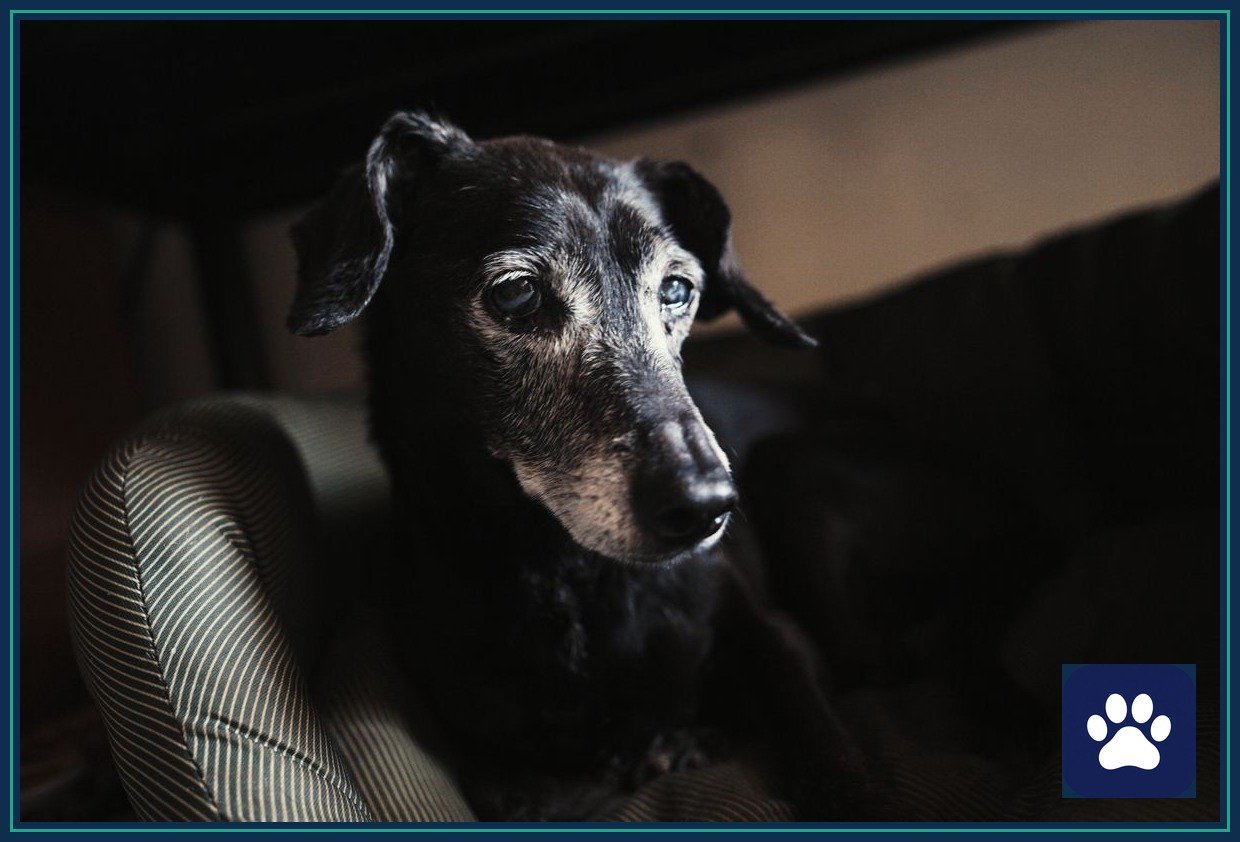
Presley’s choice deserves a spotlight: a 10-year-old. Senior dogs are the hardest to place and often the easiest to live with — house-trained, past the chewing phase. If a chaotic puppy sounds exhausting right now, a calm senior might be exactly the right speed.
What should the first week with a new dog look like?
- Lower your expectations. The first week is decompression, not bonding boot camp.
- Keep the house calm. Postpone visitors for a few days.
- Start one small routine. A predictable walk or feeding time builds trust fastest.
- Expect grief moments. Calling the new dog by your old dog’s name happens to nearly everyone. It isn’t betrayal; it’s habit.
- Give it three weeks. Rescues cite the 3-3-3 rule: about 3 days to decompress, 3 weeks to learn the routine, 3 months to feel home.
Adopting from a rescue? Our guide to rescue red flags shows how to vet the organization before you commit.
Frequently asked questions
When is it too soon to get a new dog after one dies?
It’s too soon if you’re adopting mainly to stop the pain, if you can only picture your old dog, or if training and vet visits feel like a burden. When to get a new dog after one dies has no minimum waiting period — readiness is measured by your emotional state, not the calendar.
Do dogs grieve when another dog dies?
Yes. Dogs that lose a housemate may eat less, sleep more, or become clingy. Keeping their routine stable and giving extra attention usually helps within a few weeks. If appetite loss lasts more than a few days, check with your vet.
Is it better to adopt a puppy or an adult dog after losing one?
Neither is universally better. Puppies bring chaos and joy; adult and senior dogs bring calm and gratitude. Match the dog’s energy to the life you actually have now — not the life you had with your old dog.
How do I stop feeling guilty about getting a new dog?
Name the guilt for what it is: proof of how much you loved your old dog, not proof you’re doing something wrong. Many owners keep a photo of their late dog in the new dog’s space — honoring, not replacing.
What if my new dog doesn’t bond with me right away?
That’s normal, especially with rescues. Follow the 3-3-3 guideline and build trust through consistent routines. If serious behavior issues appear, work with a qualified trainer early.
Grief and love can share the same house. When to get a new dog after one dies is your call, and when the answer is “now,” a shelter dog is waiting to make it official.