
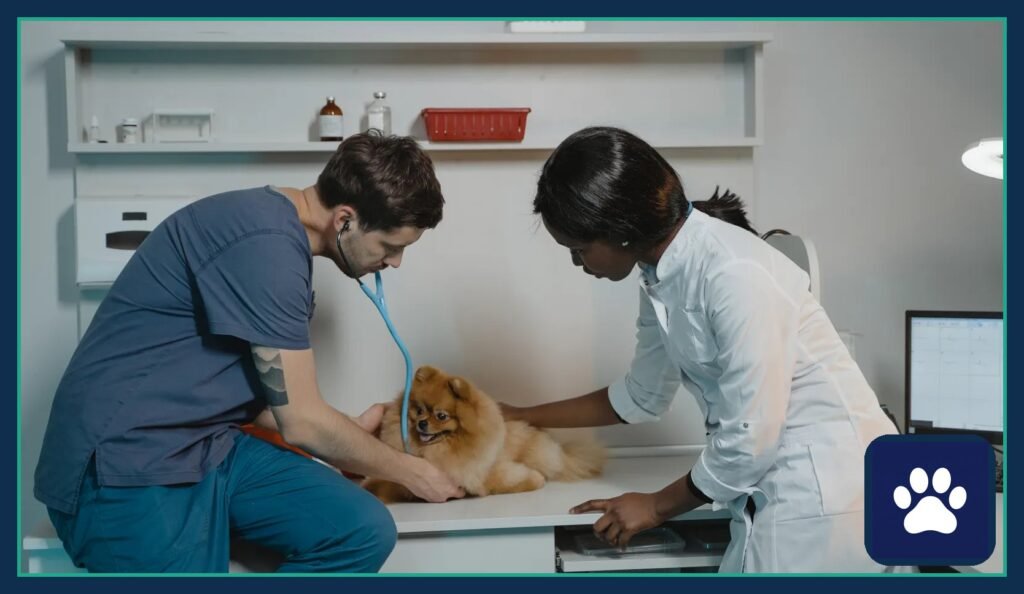
What every dog owner should know
Dog flu — canine influenza — is a real, recurring risk for any dog that spends time around other dogs. It spreads quickly in places where dogs gather closely — shelters, kennels, daycares, groomers, and busy dog parks — and it can strike any time of year, not just in flu season.
Here’s why it matters: almost no dogs have natural immunity to it, and some dogs carry and spread the virus without ever looking sick. Below is what dog flu actually is, the symptoms to watch for, and exactly what to do if your dog starts coughing.
What dog flu actually is
Canine influenza — “dog flu” — is a contagious respiratory disease in dogs, caused by specific type A influenza viruses. According to the CDC, the strain circulating now is H3N2.
Three things that surprise most owners:
- Almost all dogs are susceptible — most have no natural immunity to it.
- It’s not seasonal. Unlike human flu, dog flu outbreaks can strike any time of year.
- Some dogs never look sick. Dogs can carry and spread the virus with no signs at all — one reason outbreaks move so quickly.
The 7 symptoms to watch for
The CDC lists the key signs of canine influenza. Watch for these, especially if your dog has been around other dogs in the last week or two:
- A persistent cough — moist or dry. This is the hallmark symptom and the one that looks most like kennel cough.
- Sneezing — repeated or fits of sneezing that are new for your dog.
- Runny nose or nasal discharge — clear at first, sometimes turning thicker.
- Watery or goopy eyes — eye discharge beyond normal “sleepy” buildup.
- Fever — warm ears, dry nose, or just “feeling off.” Your vet can confirm with a thermometer.
- Lethargy — a normally bouncy dog that suddenly won’t play, or sleeps far more than usual.
- Reduced appetite — turning away from food they normally love.
Severity ranges widely: most dogs recover within 2 to 3 weeks, but some develop secondary bacterial infections that can lead to pneumonia. That’s why “just a cough” deserves a same-day vet call, not a wait-and-see approach.

What to do right now if your dog shows symptoms
Don’t panic — but do act. Here are the steps vets and public health agencies recommend:
1. Separate your dog from other animals immediately
Skip the dog park, cancel daycare, and postpone the groomer. A coughing dog shouldn’t be around other dogs — or cats. Wash and disinfect your clothing, equipment, surfaces, and hands after handling a dog with respiratory signs (CDC).
2. Call your vet the same day
Respiratory symptoms all look alike: dog flu, kennel cough, and other infections share nearly identical early signs. Your vet can evaluate your dog and run a test to confirm canine influenza if needed. Don’t try to diagnose from the internet.
3. Keep things calm and separate at home
Give your dog a quiet spot to rest, keep water fresh and available, and avoid shared bowls with other pets. Treatment for dog flu is largely supportive care — rest, hydration, and comfort while the immune system does its work. Your vet may prescribe antibiotics only if a secondary bacterial infection is suspected.
4. Plan for the vet bill before you go
A respiratory workup can mean an exam fee plus x-rays or testing — and costs vary wildly by clinic. Run the numbers ahead of time with our free Vet Cost Estimator so the visit itself is one less thing to stress about.
5. Rethink your dog’s exercise plan
Your dog still needs movement, just not the dog park. Swap group outings for solo sniff walks and indoor enrichment. Our free Dog Exercise Needs Finder can rebuild your dog’s routine around safe at-home activities while your dog recovers.
How dog flu spreads (and why dog parks are the hotspot)
The virus travels mainly in respiratory droplets — the spray from an infected dog’s cough or sneeze — and it can also linger on contaminated surfaces like shared water bowls and kennel walls. It spreads especially fast anywhere dogs are housed or gathered close together: shelters, kennels, daycares, groomers, and busy dog parks.
That doesn’t mean exercise is off the table. A solo walk in a quiet area, away from nose-to-nose greetings, is a very different risk picture from an hour at a packed off-leash park. During an active outbreak: fewer dogs, more distance, more sniffing on your own terms.
Can people catch dog flu?
This is the question everyone asks, and the answer is reassuring. According to the CDC, there is no evidence that canine influenza spreads from dogs to people — not a single human case has been reported anywhere in the world. (Dogs can pass H3N2 to cats in rare cases, so keep coughing dogs away from feline housemates too.)
Frequently asked questions
Is dog flu the same as kennel cough?
No. “Kennel cough” is a catch-all term for several different respiratory infections in dogs; canine influenza is one specific viral cause. The early symptoms look nearly identical, which is exactly why a vet visit — and testing when your vet recommends it — matters instead of guessing.
How long does dog flu last?
The CDC says most dogs recover within 2 to 3 weeks. A small percentage develop more severe illness, including pneumonia from secondary bacterial infections — another reason to get veterinary guidance early.
Is there a dog flu vaccine?
Yes. Vaccines protecting dogs against H3N2 canine influenza are available in the US. Whether your dog needs one depends on lifestyle — frequent daycare, boarding, grooming, or dog-park visits raise the stakes. Ask your veterinarian.
Can my dog catch dog flu on a regular walk?
Risk is highest where dogs gather closely. A solo walk with distance from other dogs is lower risk than a dog park. During an active outbreak, keep greetings with unfamiliar dogs brief or skip them.
What should I clean if my dog was exposed?
The CDC advises cleaning and disinfecting clothing, equipment, surfaces, and hands after exposure to dogs showing respiratory signs. Wash food and water bowls, wipe down leashes and crates, and launder bedding on hot — simple hygiene goes a long way.
Free tools that help
Outbreak or not, a little planning goes a long way. BlueTarg’s free tools are built for exactly these moments:
- Vet Cost Estimator — estimate exam and treatment costs before you book.
- Dog Exercise Needs Finder — rebuild your dog’s routine around safe at-home activity.
- Dog Wellness Planner quiz — a free personalized daily routine in about 60 seconds.
Want the Pro versions — saved dog profiles, vet-ready health history, and printable plans? Pro Pet Pass is $7/month, free for the first 14 days.
Sources: U.S. CDC, “About Dog Flu” (cdc.gov/flu/other/canine-flu/keyfacts.html). This article is educational and doesn’t replace your veterinarian’s advice.