Health & Wellness

Why Big Dogs Age Faster — Scientists Just Found a Clue in Their DNA
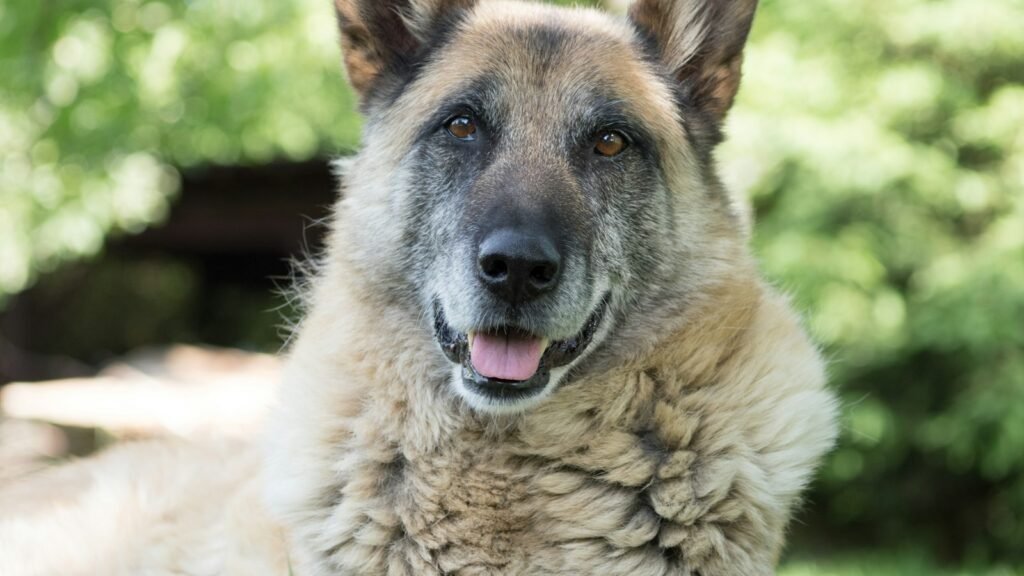
Senior German shepherd with a graying muzzle

Yes: large dogs really do age faster than small dogs, not just die younger. A study of 894 pet dogs published October 8, 2026, in the journal Science found that bigger dogs show faster molecular aging in their blood, driven by faster loss of control over “jumping genes” in their DNA. Every Great Dane owner

Why Big Dogs Age Faster — Scientists Just Found a Clue in Their DNA Read More »

Why Is My Dog Jerking Suddenly? A New Study Points to Low Blood Sugar — Not Just Seizures

French bulldog sitting on a steel exam table at the vet clinic

Sudden, shock-like muscle jerks in a dog (called myoclonus) can signal low blood sugar, not just epilepsy, a new study of 10 dogs found. Nine had a pancreatic tumor called insulinoma. If your dog jerks suddenly, especially with weakness or collapse, call your vet promptly and film the episode if safe. Dog muscle jerks are

Why Is My Dog Jerking Suddenly? A New Study Points to Low Blood Sugar — Not Just Seizures Read More »

Is Your Dog’s Medicine Recalled? What the 4,000-Product Recall Means for You

Merle puppy being given liquid medicine from an oral syringe

Yes: check your dog’s medicine. Wedgewood Pharmacy recalled nearly 4,000 compounded veterinary medication listings shipped between February 18 and October 6, 2026, because lab testing data may have been unreliable, leaving some products weaker or stronger than labeled. If your dog takes a compounded medicine, check the recall list and call your vet before stopping

Is Your Dog’s Medicine Recalled? What the 4,000-Product Recall Means for You Read More »

Thousands of Toxic Sea Hares Just Washed Up — and They Can Poison Your Dog

Brown retriever running out of the ocean waves at the beach

Are sea hares dangerous to dogs? Yes: they can be. Sea hares are sea slugs that store toxins from the algae they eat, using them as a chemical defense against predators. When a dog licks, mouths, or swallows a beached sea hare, the result can be severe poisoning. Poison experts describe contact as potentially life-threatening.

Thousands of Toxic Sea Hares Just Washed Up — and They Can Poison Your Dog Read More »

Your New Rescue Dog Has Parasites? Why That’s Normal — and What to Do Next

Veterinarian examining a dog on the clinic exam table

If your new rescue dog has intestinal parasites, don’t panic: it’s one of the most common hiccups in newly adopted dogs. Kelly Ripa and Mark Consuelos’ newly adopted pup is being treated for a parasite before coming home, expected “any day now.” A fecal test and a vet-prescribed deworming course usually clear it within weeks.

Your New Rescue Dog Has Parasites? Why That’s Normal — and What to Do Next Read More »

Your Dog’s Sense of Smell Is Guarding NYC’s Water Supply — Here’s What It Can Really Do

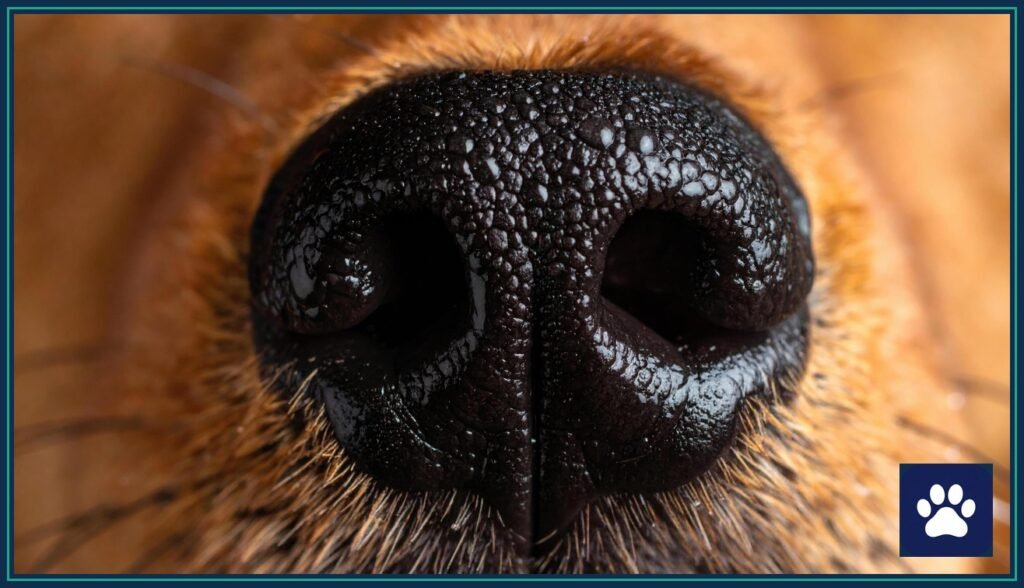
Extreme close-up of a dog's nose showing the detailed texture behind a dog's powerful sense of smell

A dog’s sense of smell is at least 100,000 times more sensitive than a human’s, with up to 300 million scent receptors versus our roughly 5 million. New York City now uses conservation detection dogs to sniff out invasive zebra mussels in its drinking-water reservoirs: the same nose your dog uses every day. Definition: a

Your Dog’s Sense of Smell Is Guarding NYC’s Water Supply — Here’s What It Can Really Do Read More »

10 Dog Health Warning Signs Every Owner Should Know

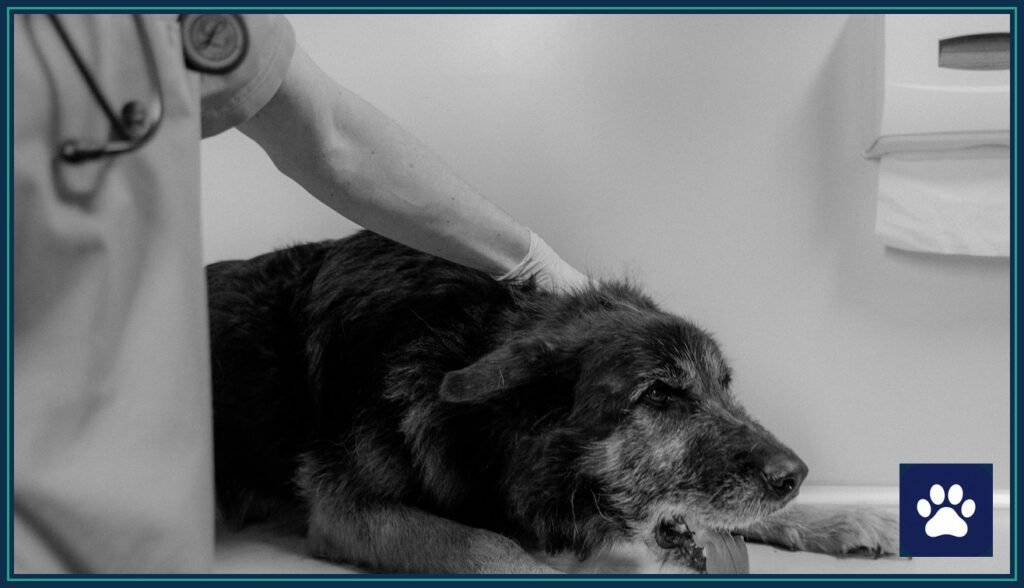
A hand resting gently on an older grey-muzzled terrier's head during a check-over

The warning signs that a dog is sick are mostly changes from normal: eating or drinking more or less, low energy, vomiting or diarrhea that won’t settle, weight change, coughing or labored breathing, bathroom changes, new lumps, itchy skin and new behavior. Some signs can’t wait. Trouble breathing, collapse, a swollen hard belly, straining with

10 Dog Health Warning Signs Every Owner Should Know Read More »