
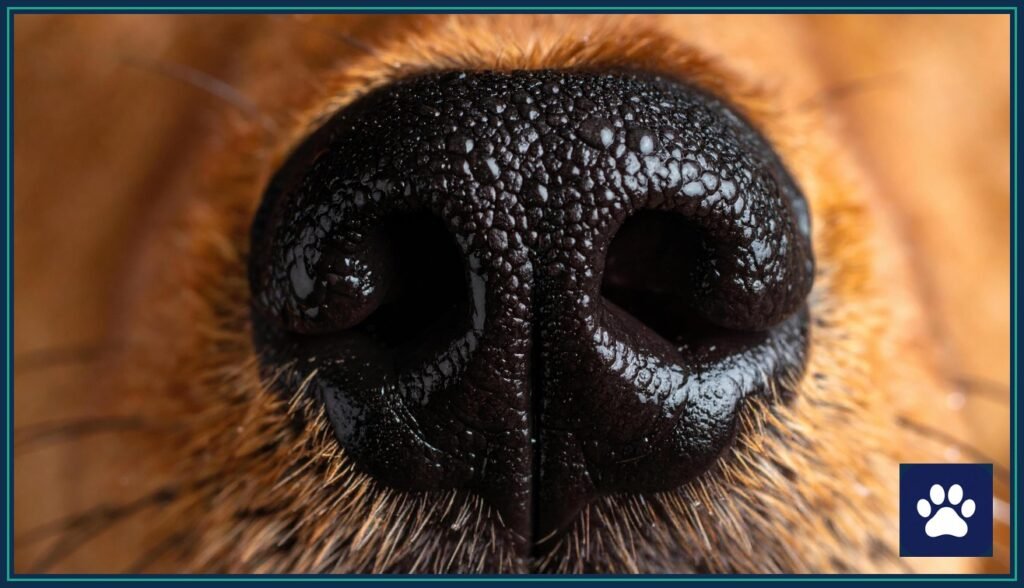
A dog’s sense of smell is at least 100,000 times more sensitive than a human’s, with up to 300 million scent receptors versus our roughly 5 million. New York City now uses conservation detection dogs to sniff out invasive zebra mussels in its drinking-water reservoirs — the same nose your dog uses every day.
Definition: a dog’s sense of smell. The canine olfactory system — up to 300 million scent receptors (versus about 5 million in humans), a nasal structure that traps odor molecules without disturbing faint scents, and a much larger share of the brain devoted to smell than ours. The AKC calls it the dog’s superpower: it lets dogs detect odors at concentrations people cannot perceive.
What is happening in New York right now?
In late September 2026, New York City’s Department of Environmental Protection partnered with the state to search the Titicus and Cross River reservoirs for zebra mussels — an invasive species that clogs pipes and alters water chemistry, per the New York Post’s October 3, 2026 report.
The dogs — including Peat, a Labrador working with handler Arden Blumenthal of the New York-New Jersey Trail Conference — are trained on 14 different invasive species. The program began last March with a $400,000 state contract for “dog services” to detect, delineate, and manage invasive species. Three dogs serve in the “Dogs for Invasive Species Control” program so far (Peat, another Labrador, and an Australian cattle dog), with a fourth on the way. The DEC notes that dogs’ sense of smell is “at least 100,000 times more sensitive” than a human’s — sensitive enough to find species nearly impossible to locate with traditional surveys.
How does a dog’s sense of smell actually work?
Your dog’s nose is an engineering marvel, and the numbers are staggering — all from the American Kennel Club’s guide to the canine nose:
- Up to 300 million scent receptors — a human nose has about 5 million. A dog’s receptor area is roughly the size of a pocket handkerchief; ours is closer to a postage stamp.
- A specialized snout structure. A dog’s snout is shaped so that sniffing doesn’t disturb even the faintest scents. Odor molecules adhere to a bony shelf inside the nose and build in intensity with every sniff.
- A smell-first brain. The share of a dog’s brain devoted to processing smell is vastly larger than in humans. Smell isn’t one sense among many for dogs — it’s their primary way of understanding the world.
No detection method yet built beats a dog’s nose, which can pick out around one-billionth of a teaspoon of gasoline — a finding that aids arson investigators.
What jobs do detection dogs do?
Guarding a city’s water supply is just the latest assignment for working noses:
- Conservation and invasive species. Like the NYC reservoir dogs, conservation canines sniff out invasive plants and animals and endangered wildlife — work humans can’t do nearly as effectively.
- Law enforcement and military. Dogs detect drugs, explosives, and human remains with reliability no machine has matched.
- Search and rescue. Tracking dogs follow individual human scent trails across miles, even hours after the person passed — each person’s trail is unique.
- Medical detection. Dogs have been trained to detect certain cancers (including ovarian, prostate, melanoma, and lung cancer), malaria, and Parkinson’s disease. Research by Medical Detection Dogs, cited by the AKC, found dogs can detect disease odor equivalent to a teaspoon of sugar diluted in two Olympic-size swimming pools.
These aren’t lucky animals — they’re trained athletes. The NYC program’s handler notes the work is physically demanding and requires finely tuned training plans. But the underlying gift is the same nose your dog uses on every walk.
How can I put my own dog’s nose to work?
You don’t need a city water contract to enrich your dog’s life with scent work. Scent games tire dogs out mentally — a powerful tool for high-energy or anxious dogs.
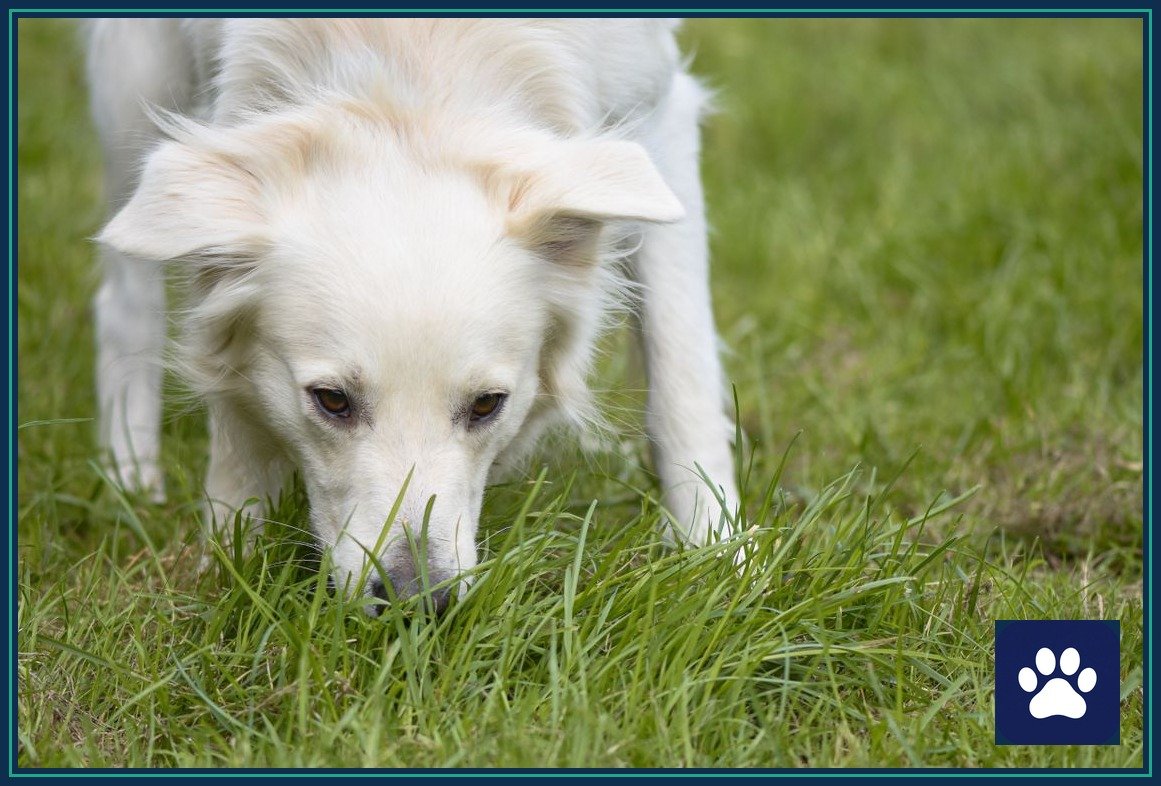
- Let them sniff on walks. Slow down and let your dog read the “news” on the ground. A sniff-heavy walk often tires your dog out more than a brisk march home. Aim for a few sniff pauses per walk.
- Start a nose-work game. Hide treats around a room, let your dog search, and reward the finds. Gradually raise the difficulty — higher hides, harder rooms, outdoor searches.
- Try a snuffle mat or scatter feeding. Scatter kibble in grass (your yard, not treated lawns) or a snuffle mat instead of a bowl. Your dog eats more slowly and gets to use its nose — two wins at once.
- Consider formal scent-work classes, where dogs learn to locate specific odors in staged search areas. Most dogs take to it immediately — it’s what they were built for.
A word of caution: the fact that trained dogs can detect certain diseases doesn’t mean your pet can diagnose illness. If your dog becomes intensely fixated on one spot on your body, see your doctor, not your dog, about health concerns. And when your dog sniffs out something to eat outdoors, run anything questionable through BlueTarg’s free Dog Toxin Checker.
Frequently asked questions
How much stronger is a dog’s sense of smell than a human’s?
At least 100,000 times, per both the American Kennel Club and New York’s DEC. Dogs have up to 300 million scent receptors (humans have about 5 million) plus a far larger brain region devoted to processing smell.
Can any dog become a detection dog?
Any breed can enjoy basic scent-work games. But professional detection work selects dogs with exceptional drive, focus, and trainability — Labs, German shepherds, and scent hounds are common — and demands serious endurance for punishing terrain.
Why does my dog sniff everything on walks?
Because that’s how your dog reads the world. Sniffing reveals who was here, how long ago, their sex and mood — a social history written in scent. Letting your dog sniff is one of the most enriching things you can do.
Can my dog’s nose detect illness in me?
Trained medical detection dogs can be taught to alert to certain disease-related odors — but that takes extensive professional training, not something an untrained pet can reliably do. If you’re concerned about your health, see a healthcare professional; your dog can’t be your doctor.
Keep your dog’s nose happy with BlueTarg’s free tools
A busy nose is a healthy nose — and a healthy dog starts with a plan. Build one with the free Dog Wellness Planner, keep walks safe with the Dog Toxin Checker, and read our guide on antifreeze poisoning in dogs before walk season. Pro Pet Pass ($7/month) unlocks pro versions of every tool.
Sources: New York Post reporting on the NYC conservation dog program (October 3, 2026); American Kennel Club’s guide to the canine nose; Medical Detection Dogs research cited by the AKC. This article is informational, not veterinary advice — talk to your veterinarian about your dog’s health and behavior.